ODT 2025 International Conference on Organelle-targeted Precision Diagnosis and Therapy
Overview
ODT 2025 · Inaugural
Decoding Organelles: Opportunities and Challenges from Basic Discovery to Precision Medicine
20–21 September 2025, Ningbo Academician Center
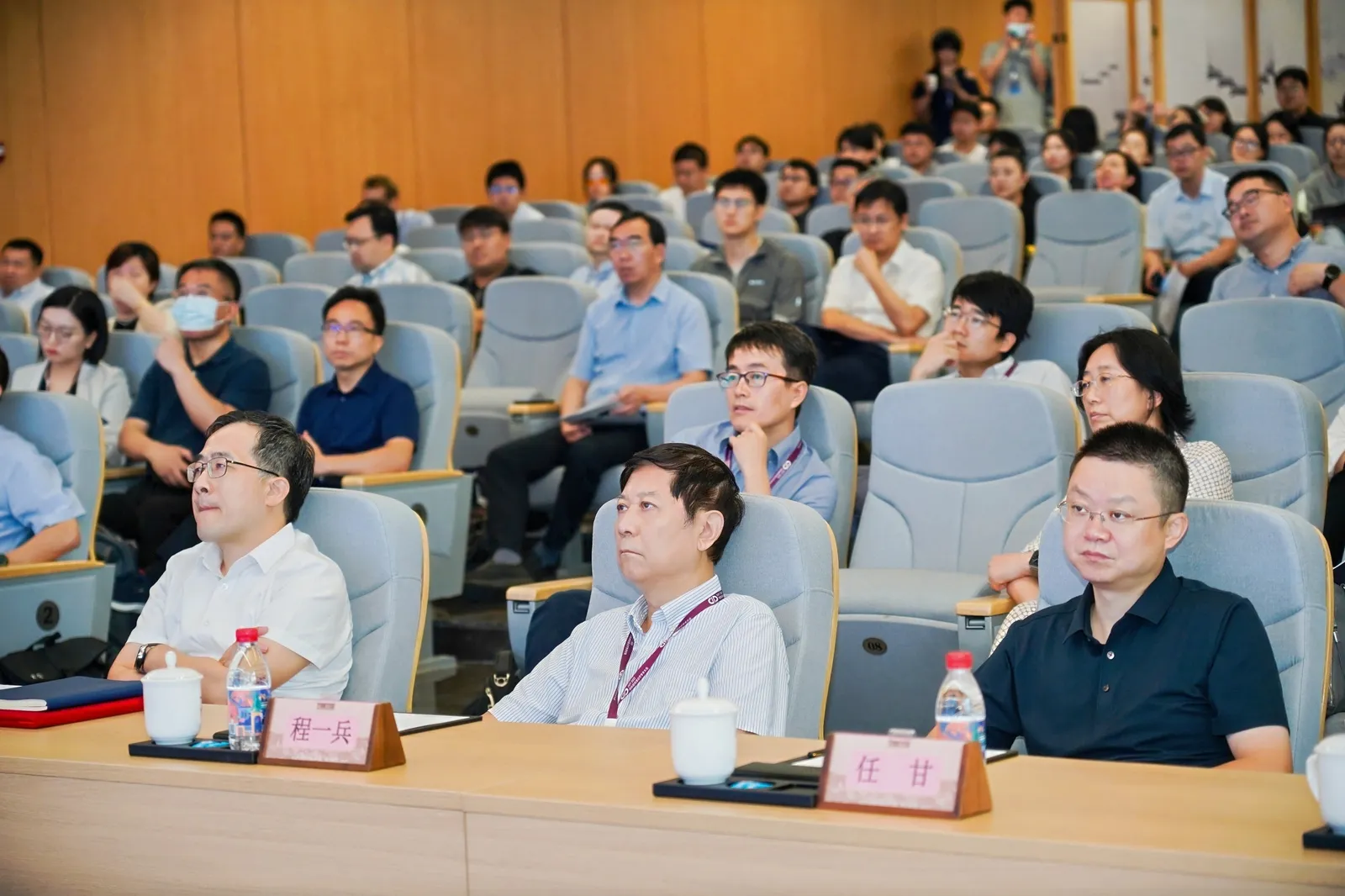
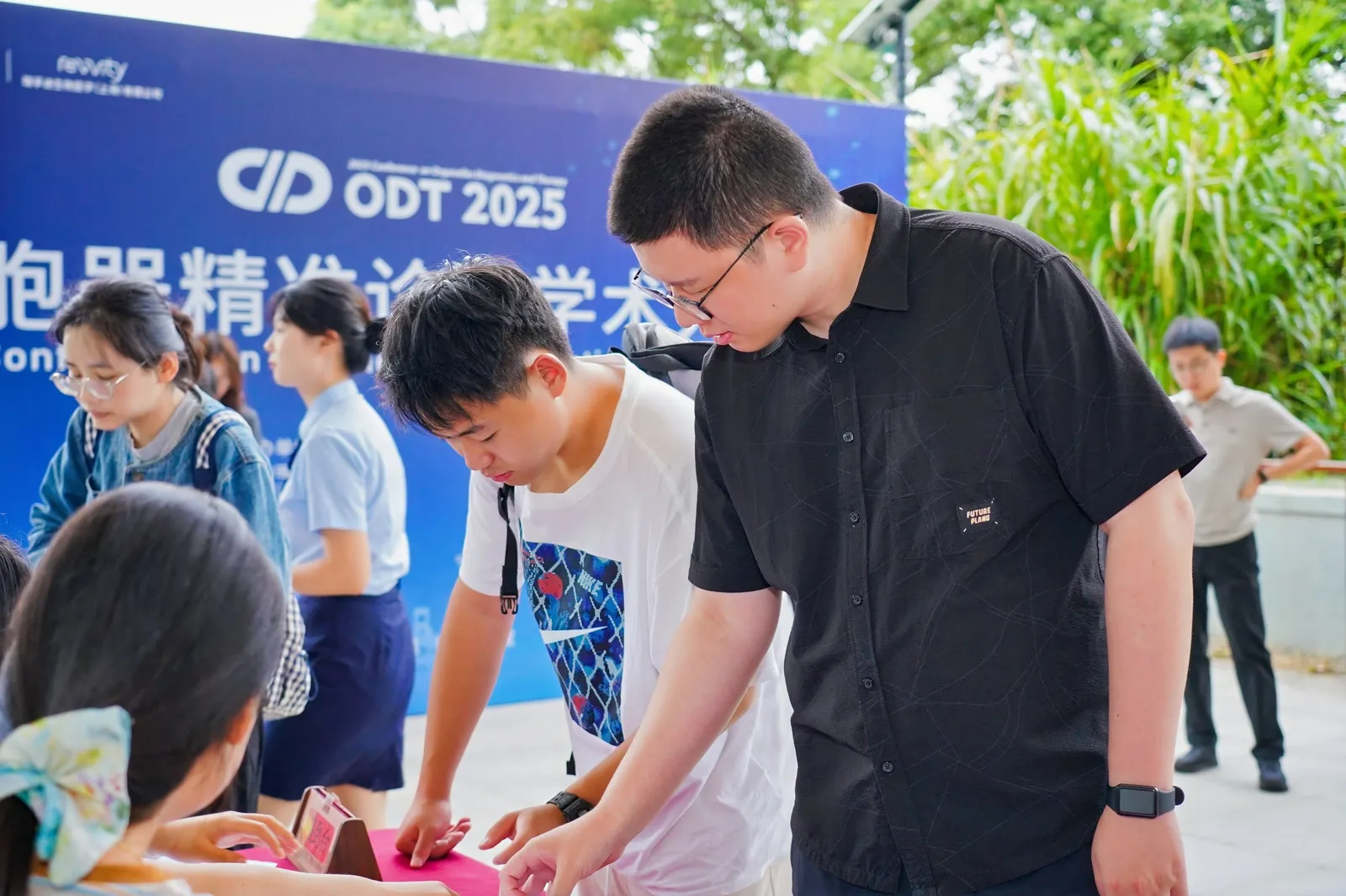
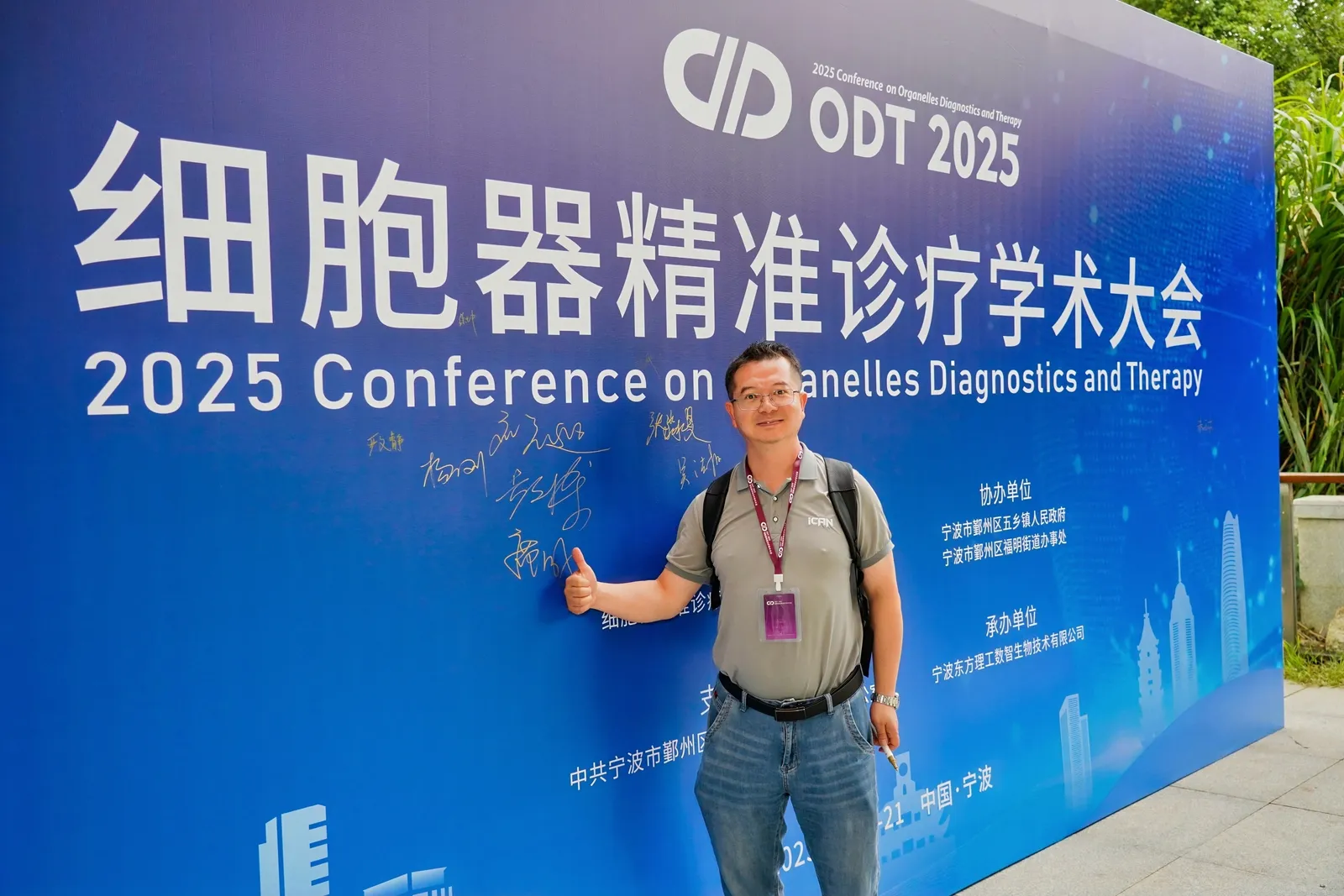
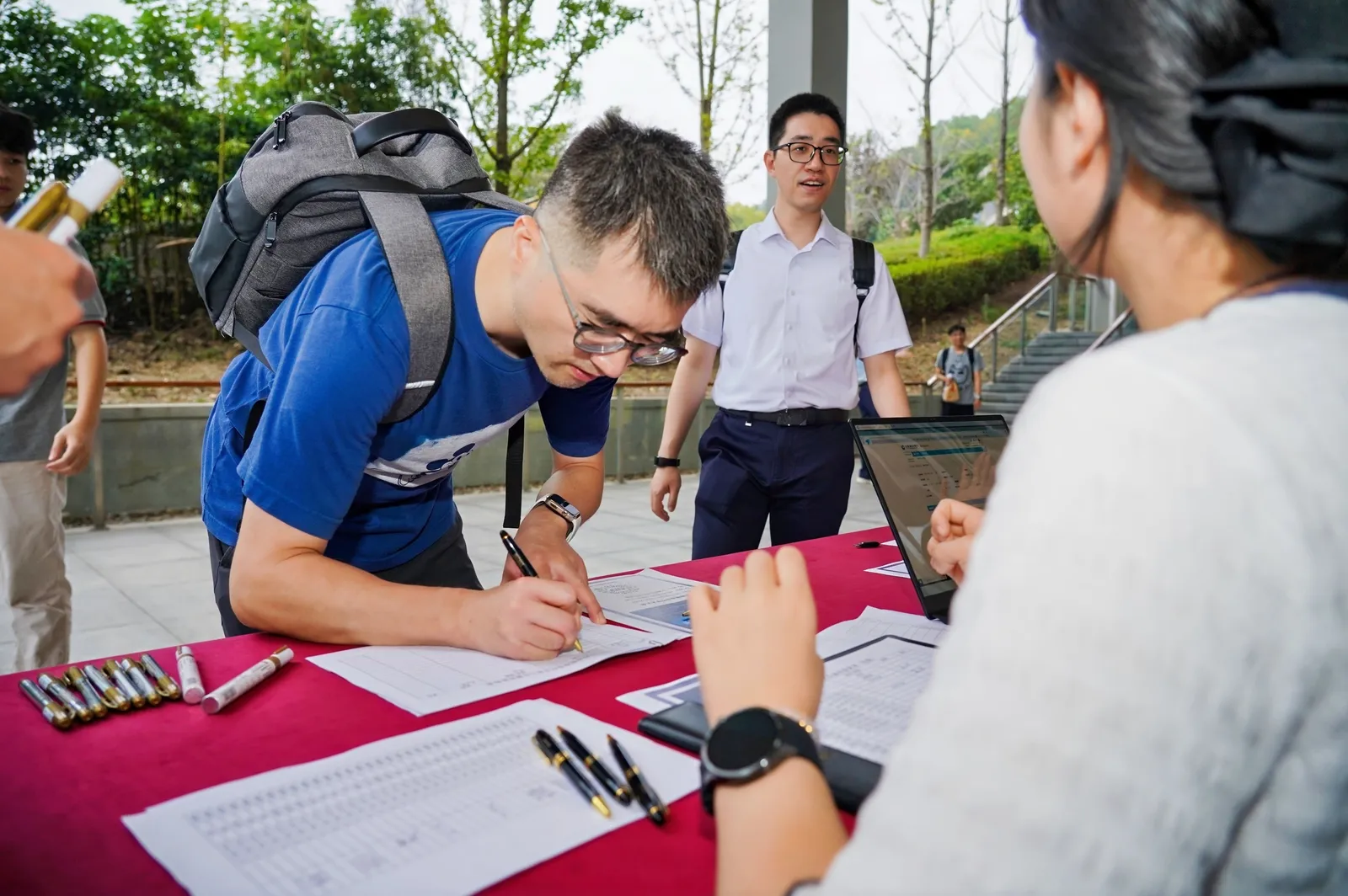
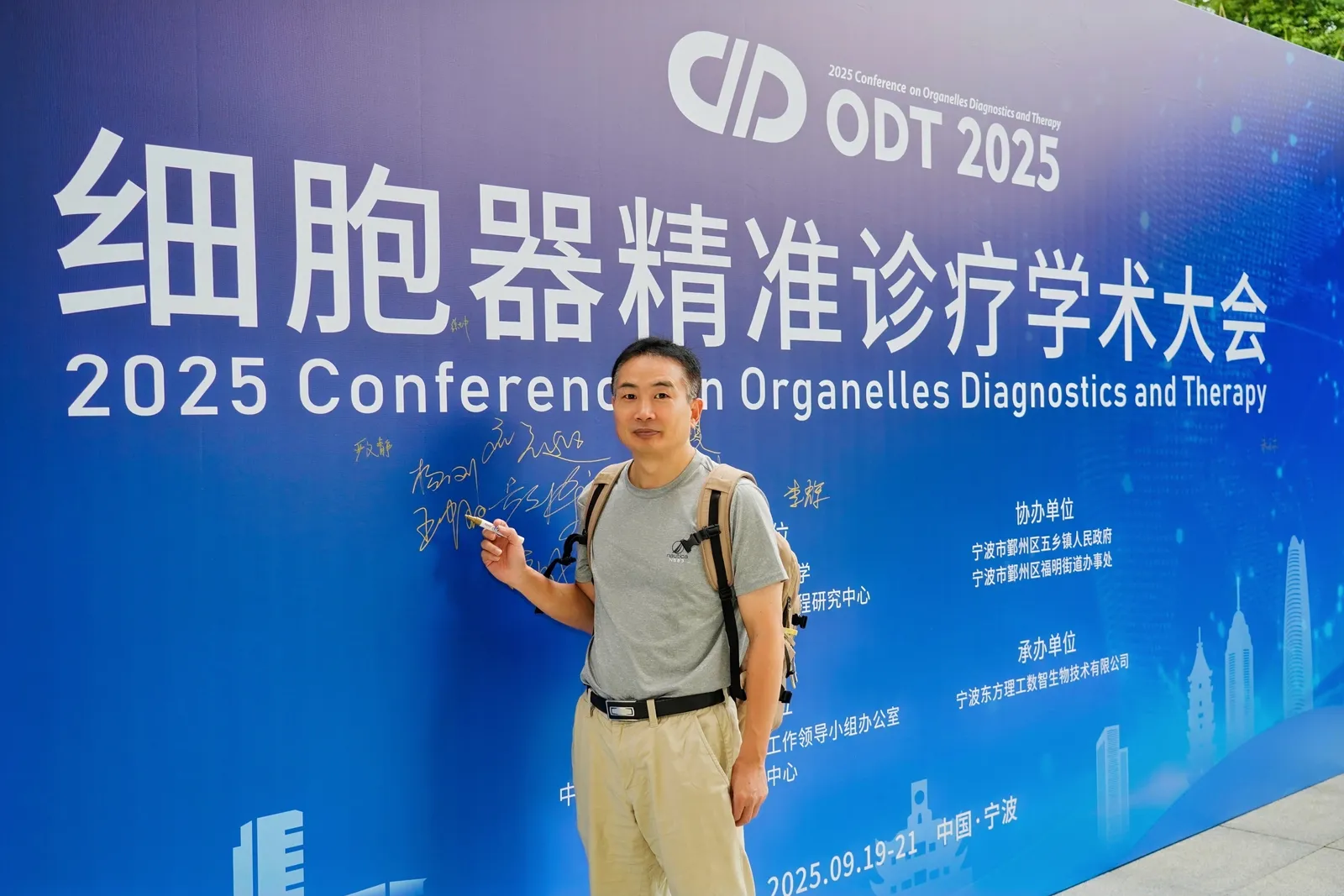
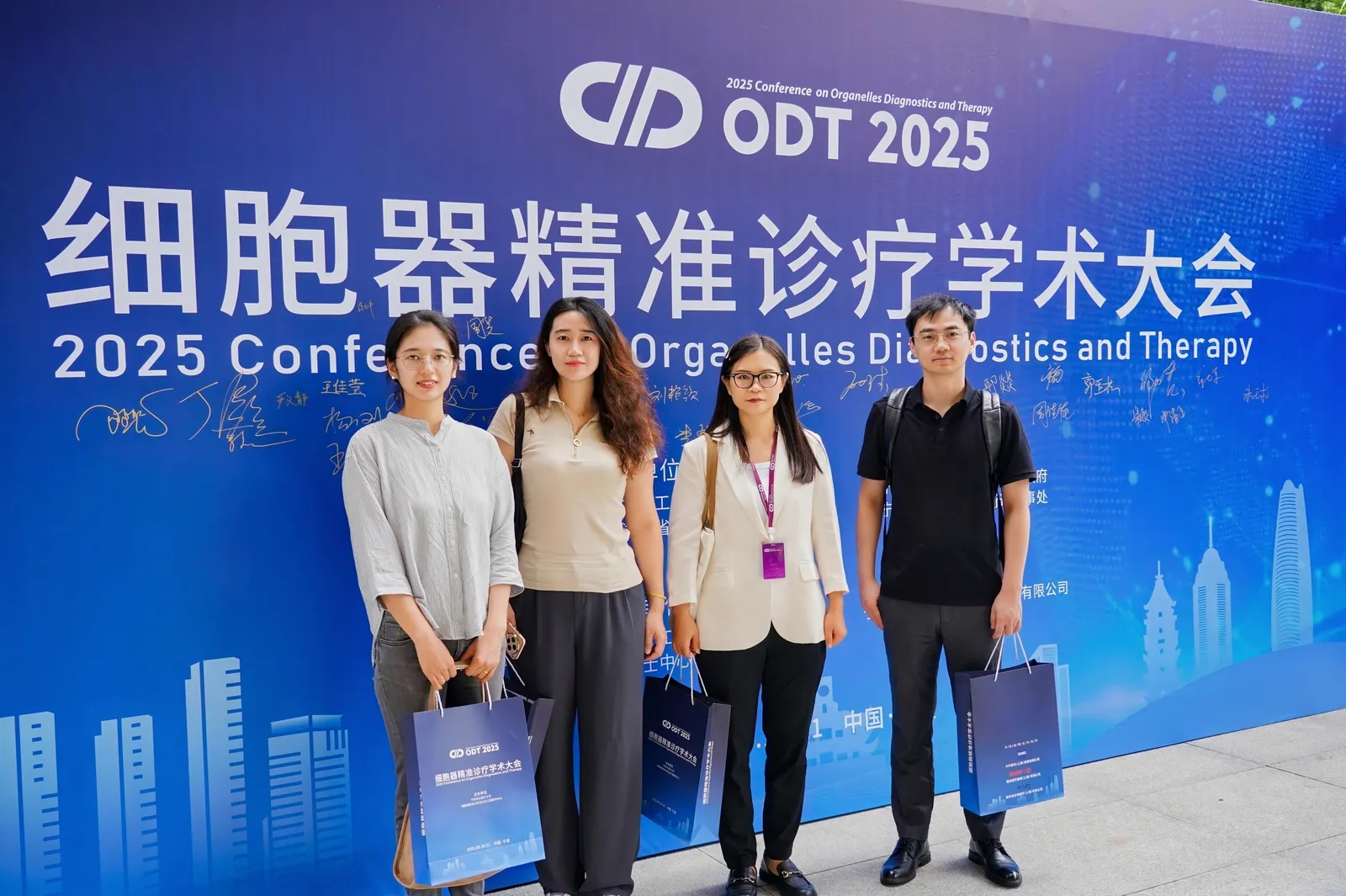
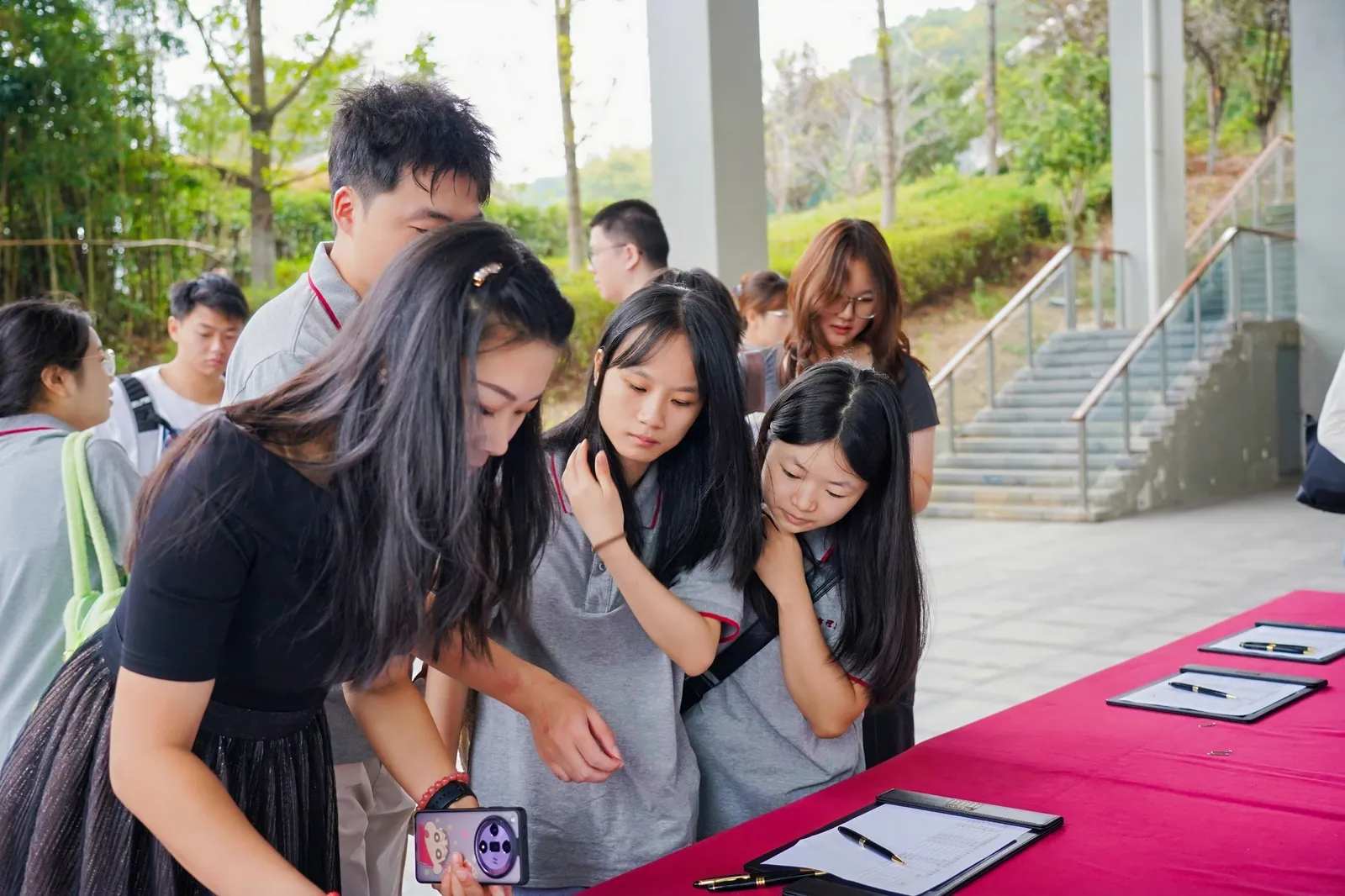
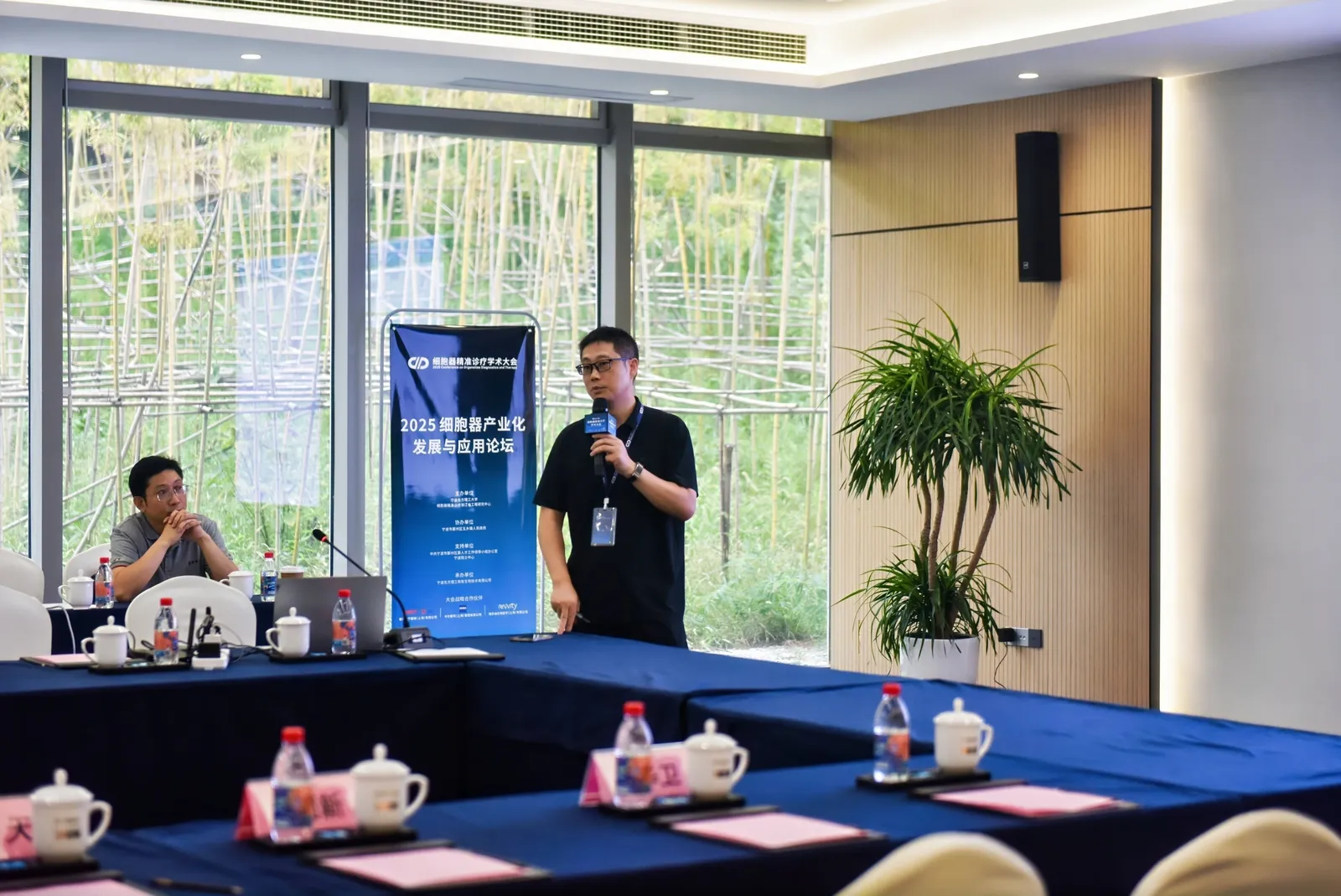
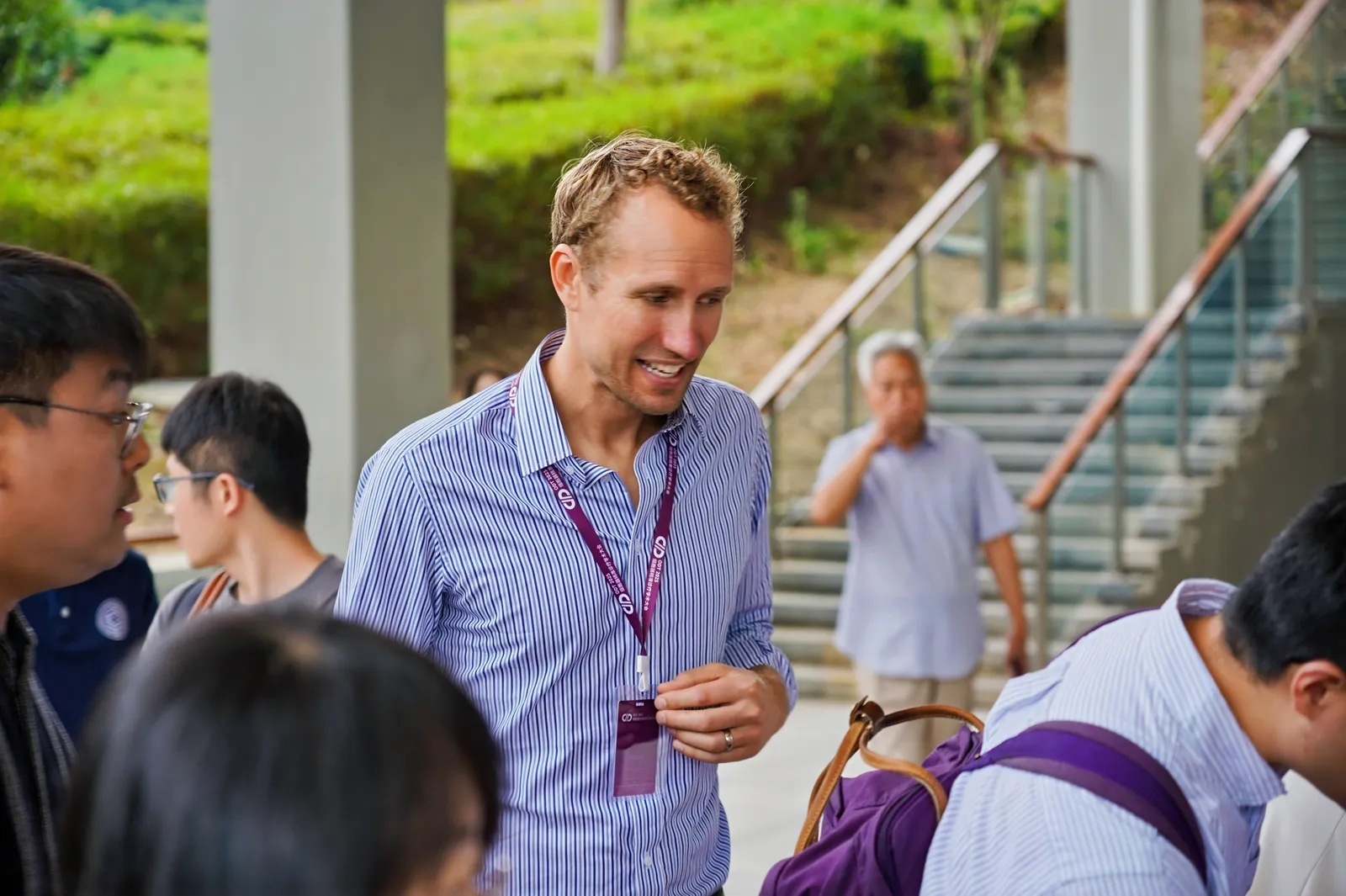
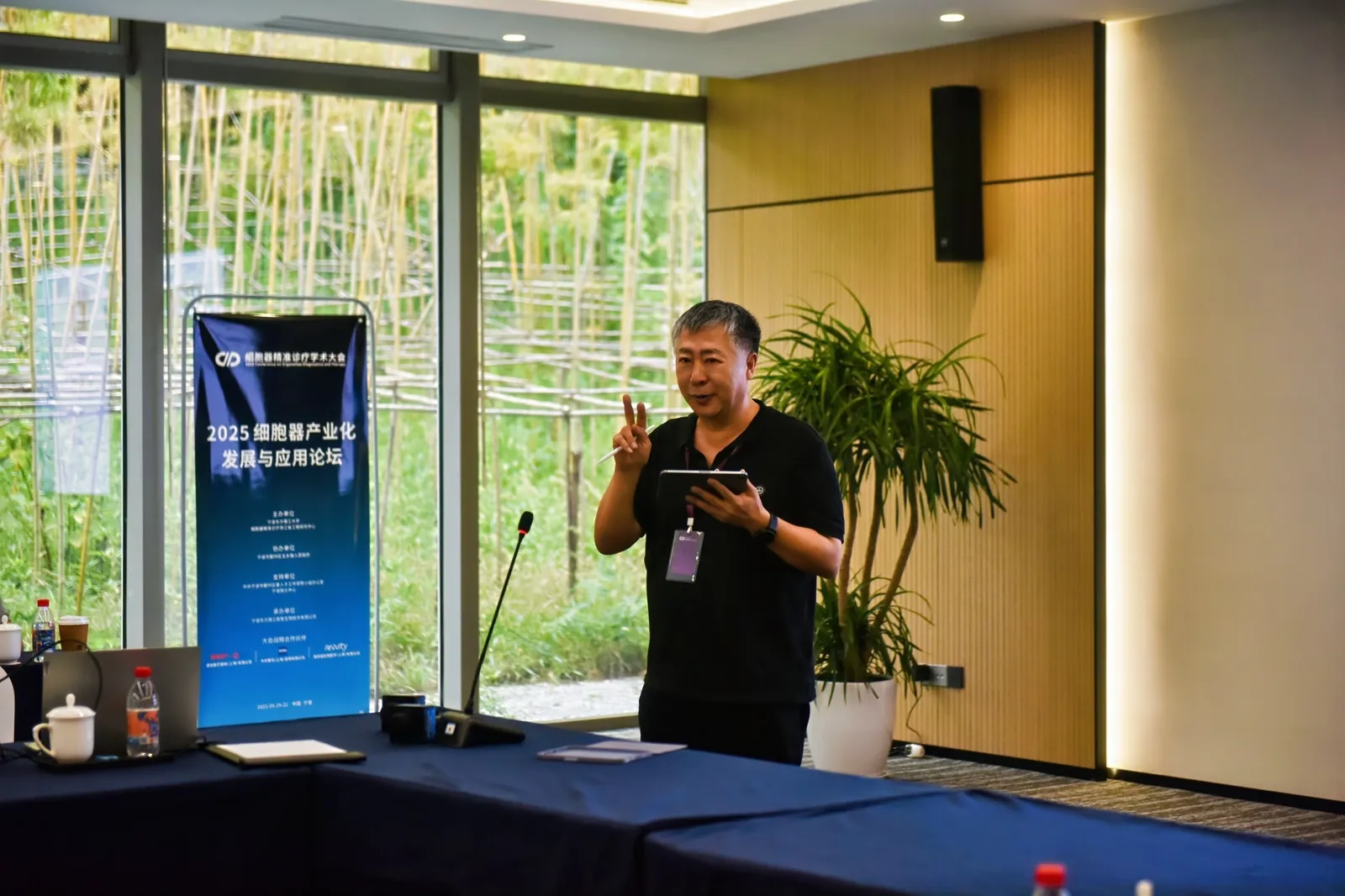
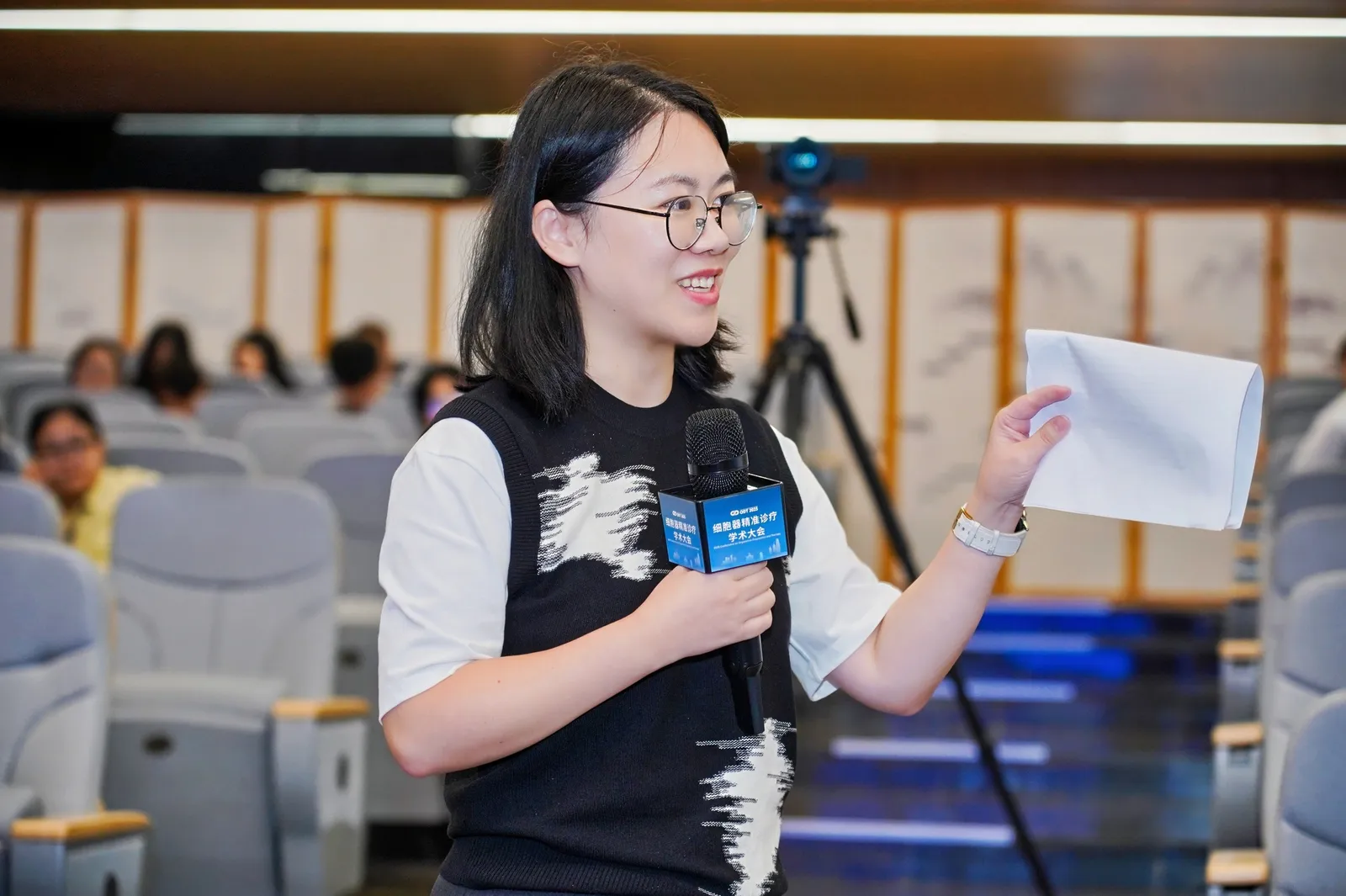
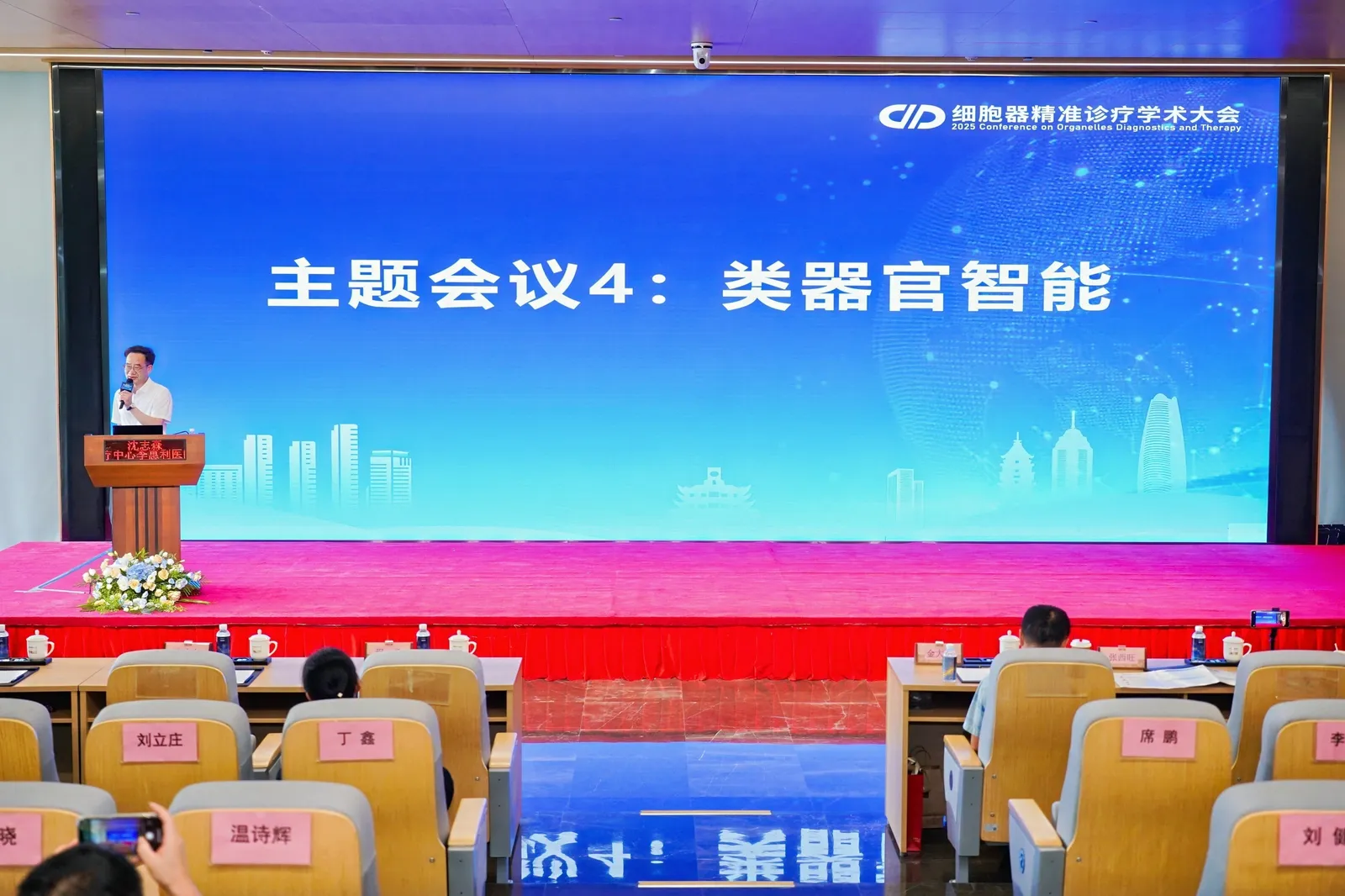
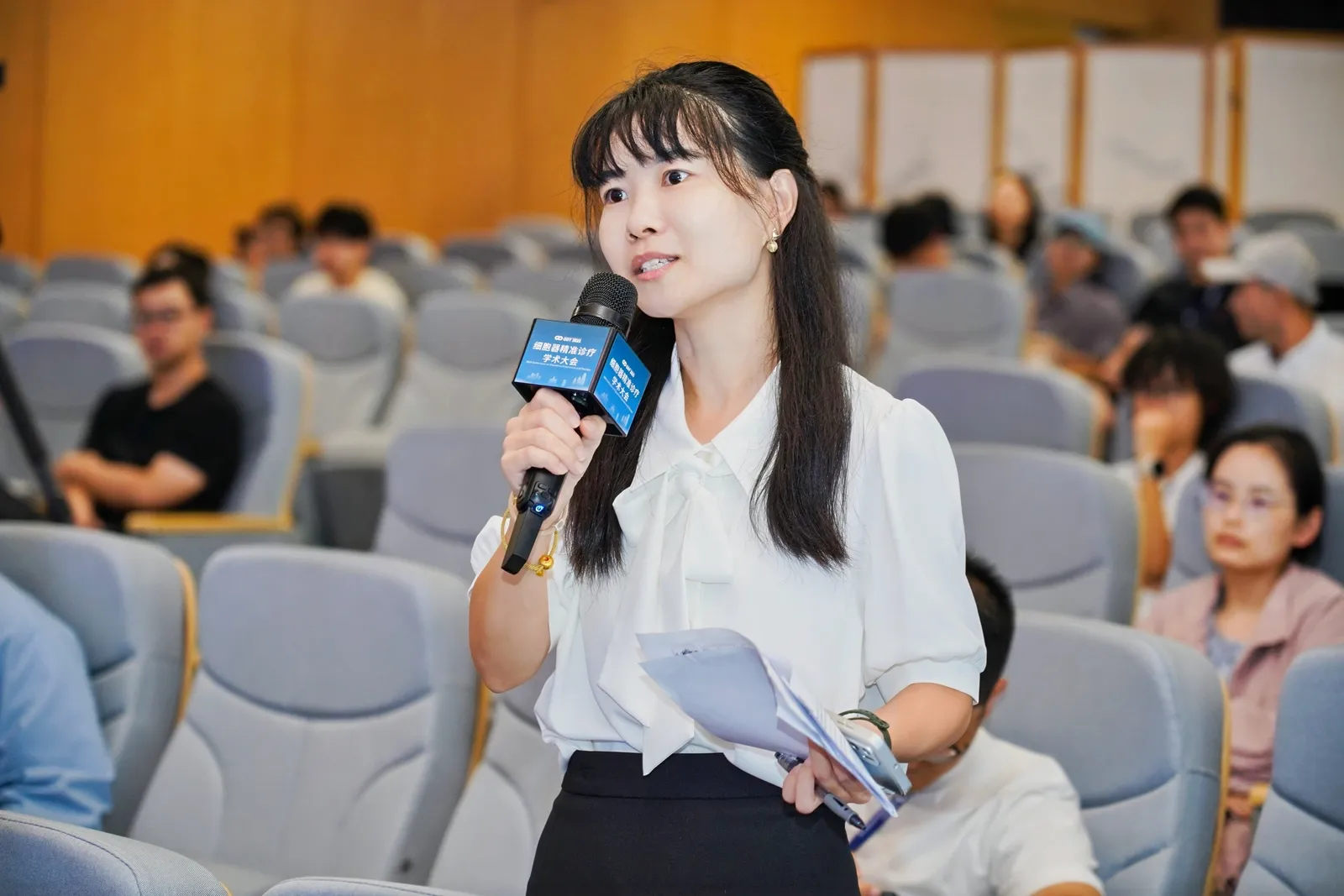
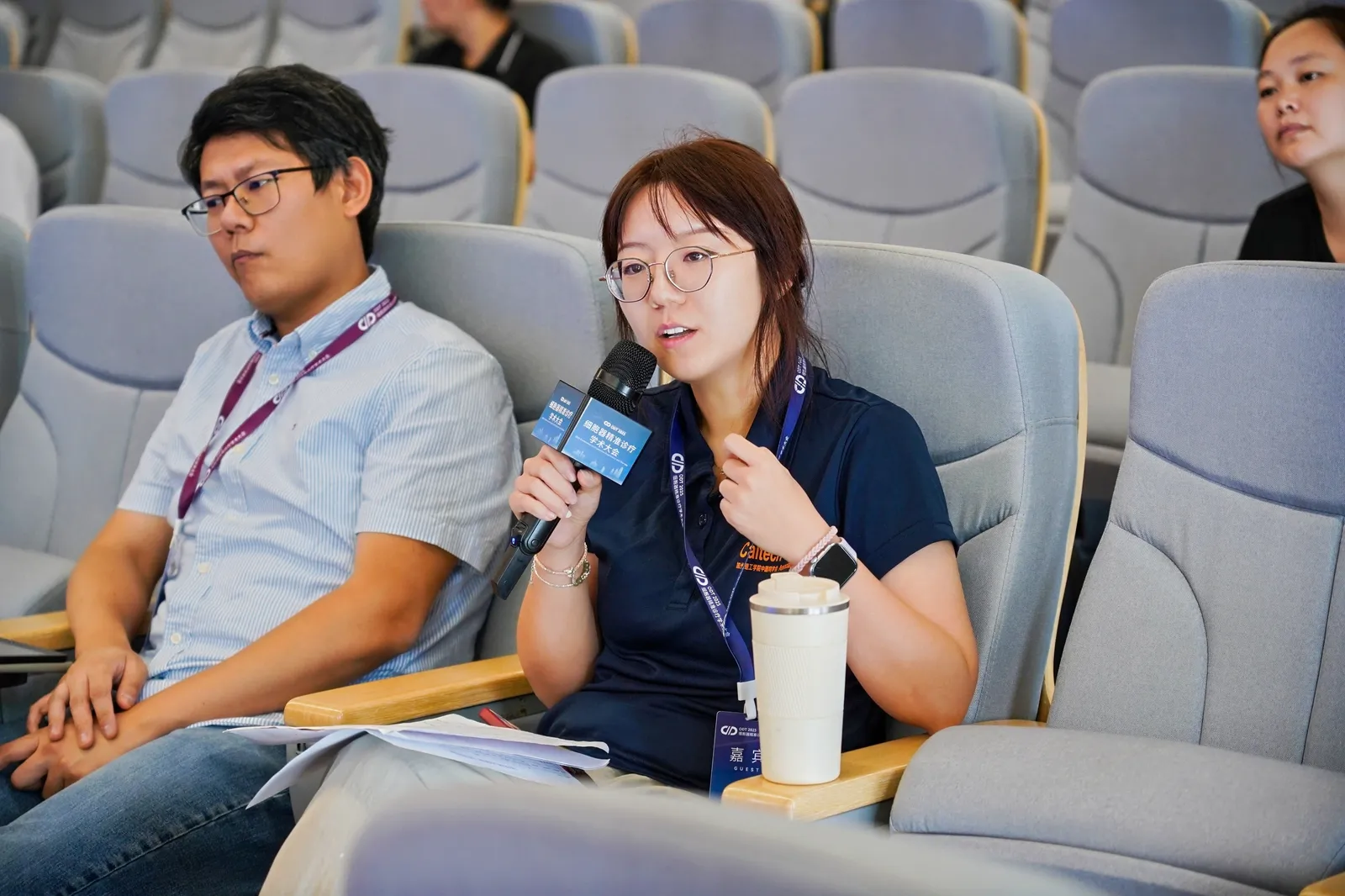
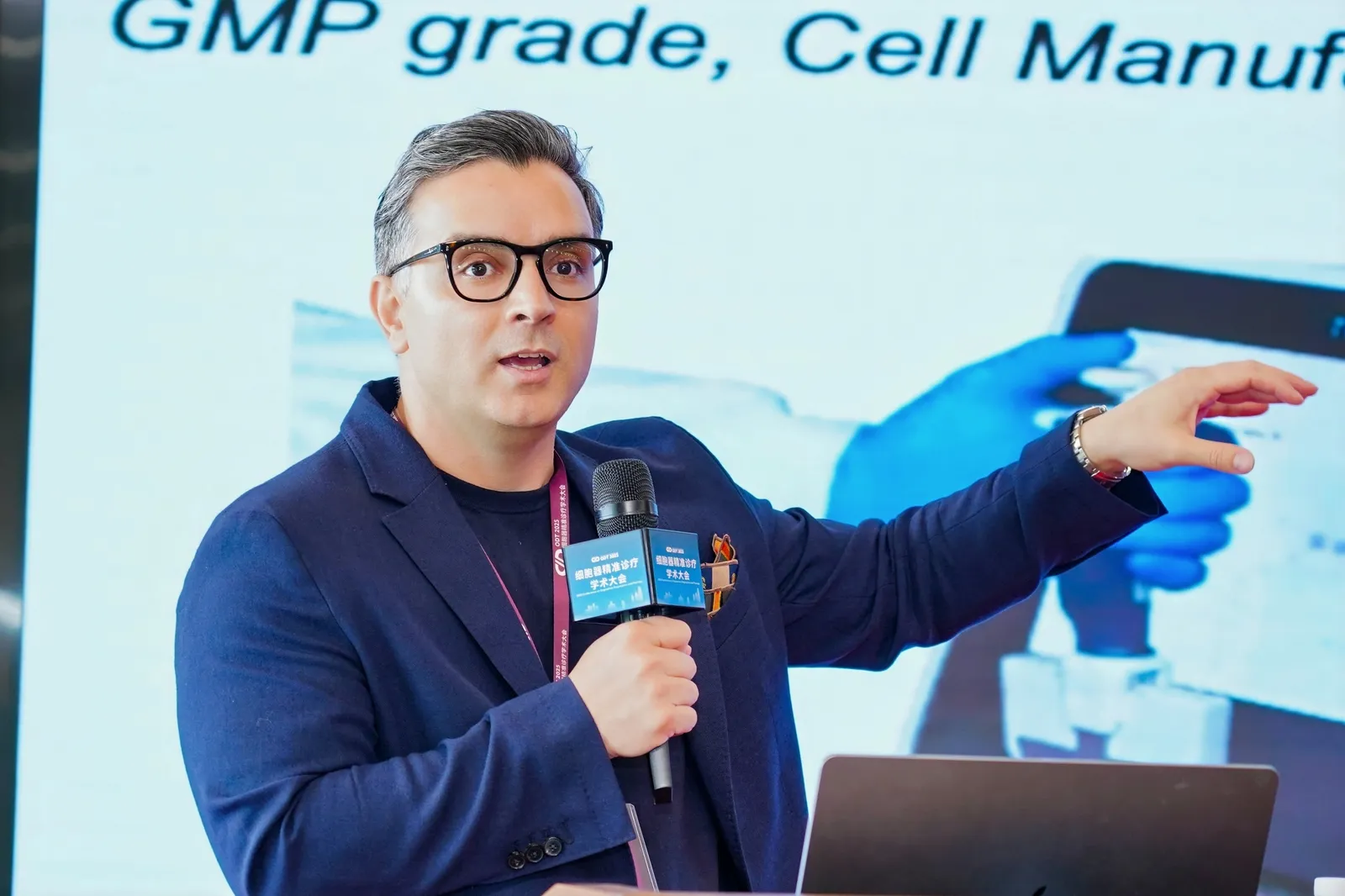
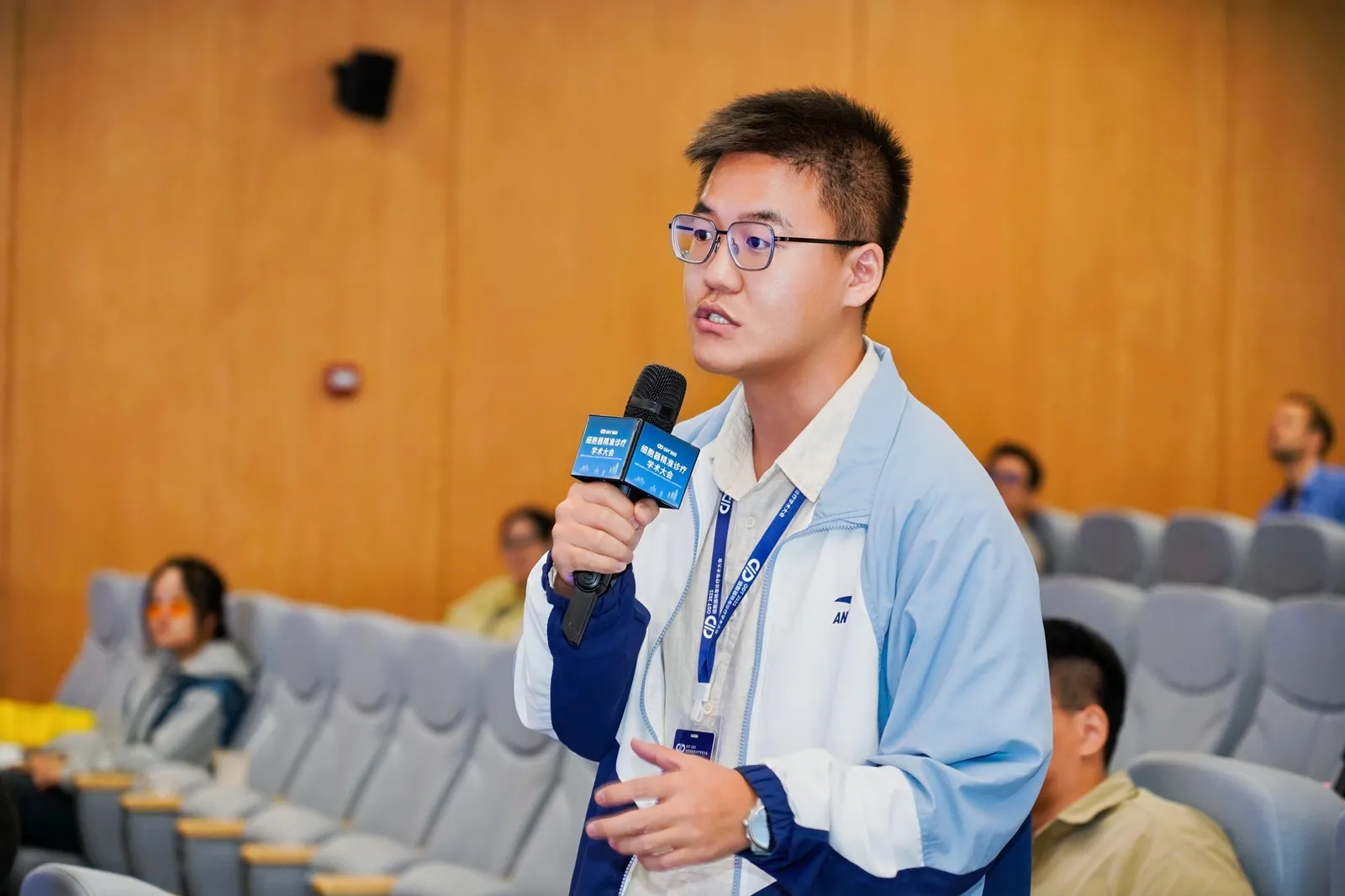
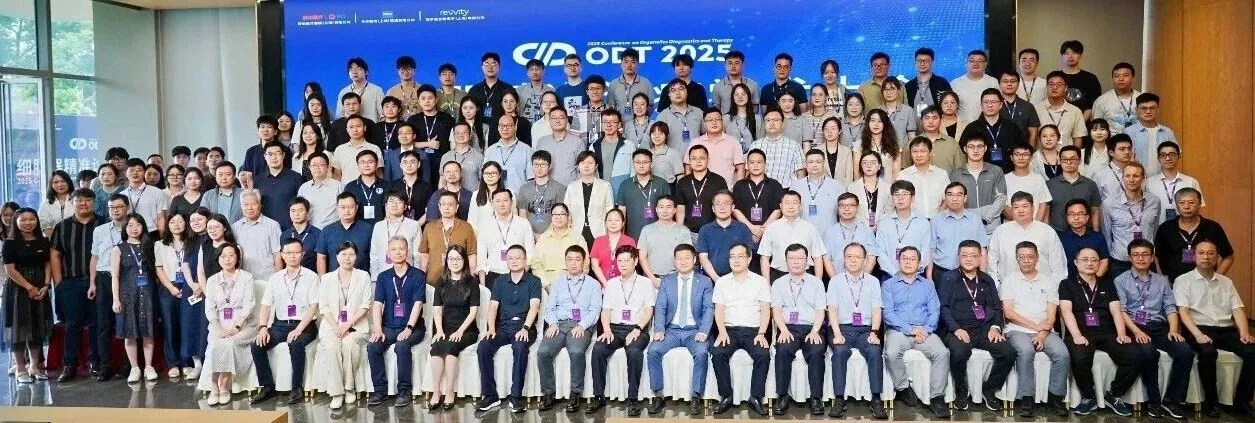
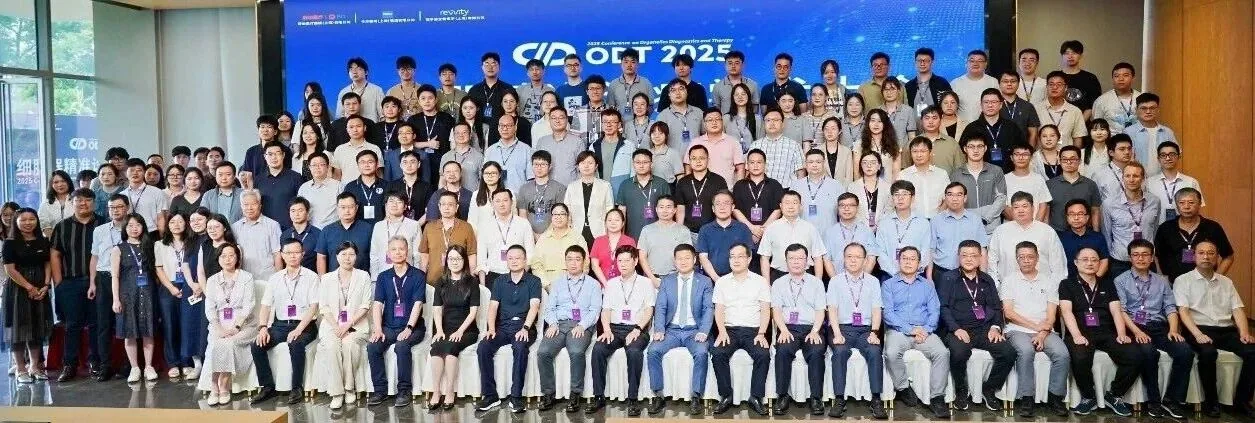
On 20–21 September 2025, the 2025 Academic Conference on Organelle-targeted Precision Diagnosis and Therapy, hosted by Eastern Institute of Technology, Ningbo, and the Zhejiang Engineering Research Center for Organelle-targeted Precision Diagnosis and Therapy, convened at the Ningbo Academician Center. Under the theme “Decoding Organelles — Opportunities and Challenges from Basic Discovery to Precision Medicine,” the meeting focused on organelle imaging, organelle interactions, antimicrobial resistance, drug screening, and organoid intelligence. It aimed to build a high-level platform linking basic science, technology, the clinic, and industry. Nearly 200 experts from universities, research institutes, hospitals, and industry — spanning research, clinical practice, and investment — discussed disciplinary trends and key technical paths. The conference was co-organized by the People’s Government of Wuxiang Town and the Fuming Subdistrict Office of Yinzhou District, Ningbo, with strong support from the Yinzhou District Talent Office and the Ningbo Academician Center, and sponsorship from ZEISS, BD, and Revvity.
ODT 2025 · Highlights
Conference highlights
Opening remarks
Opening a new chapter in organelle-targeted precision medicine
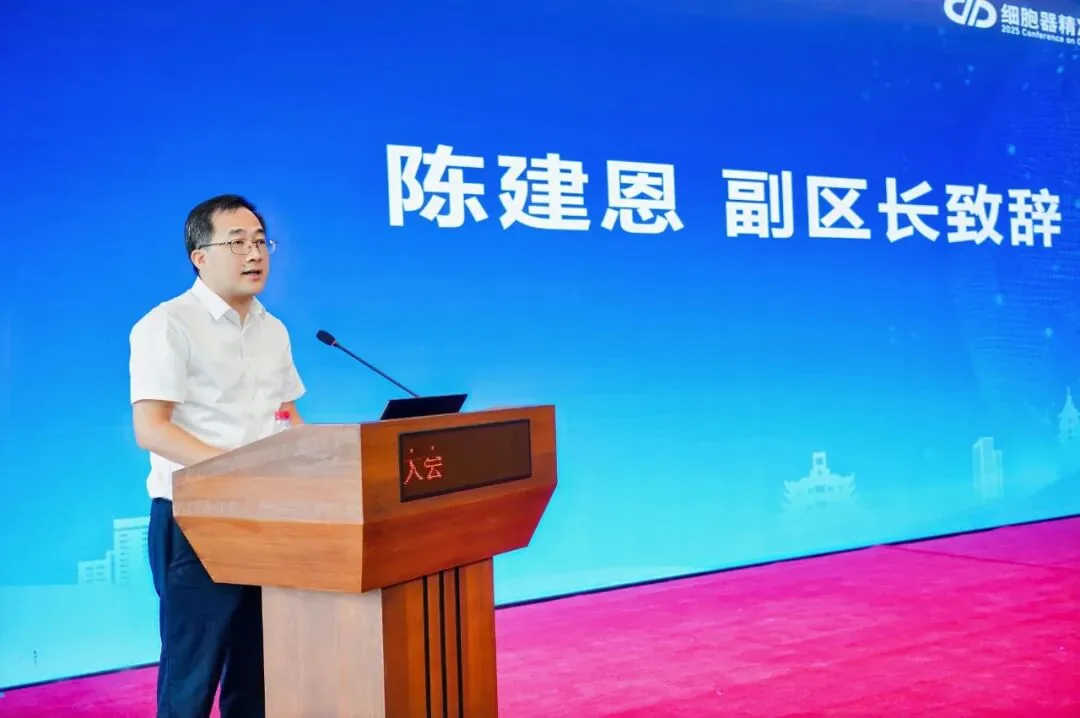
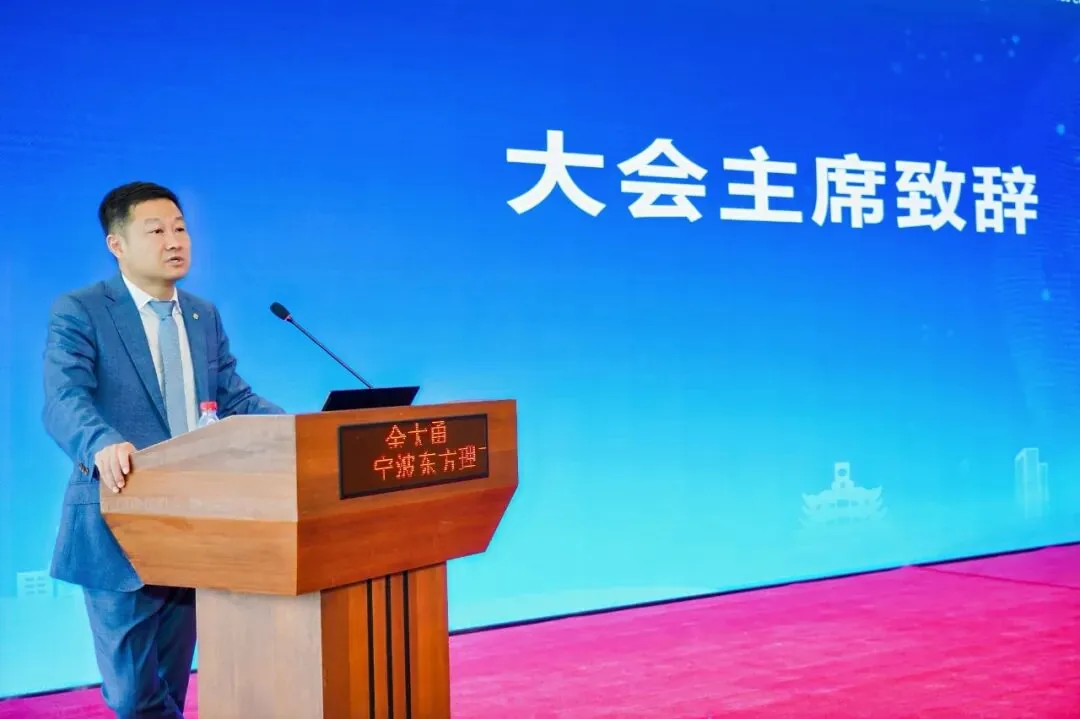
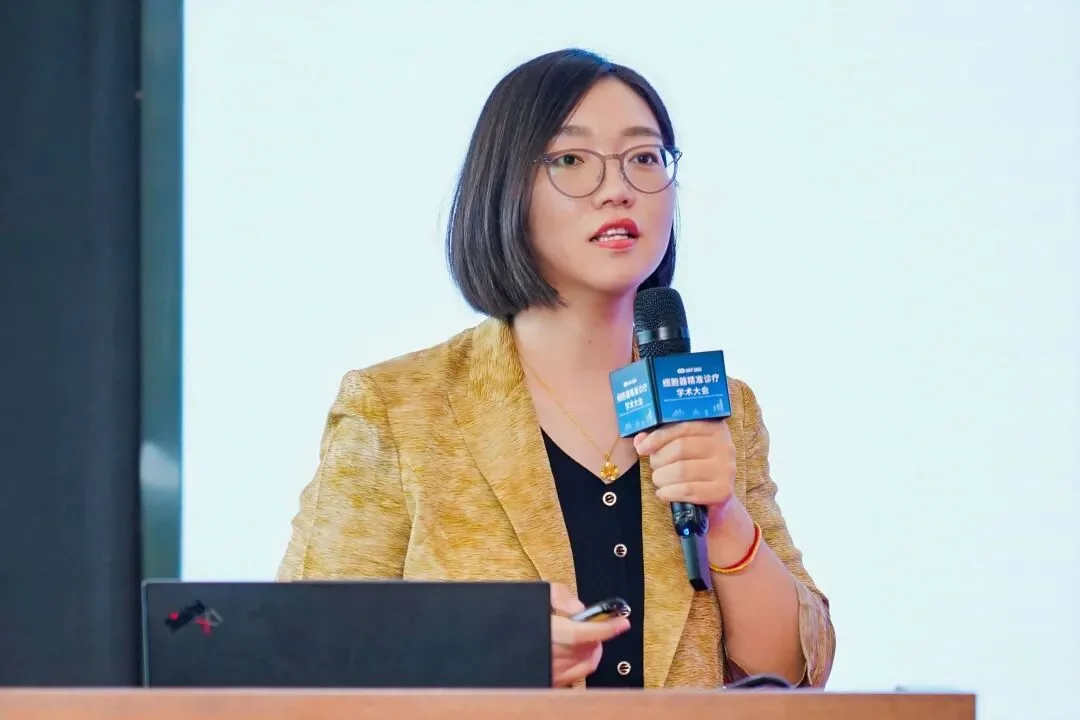
The conference opened with Research Professor Shihui Wen of Eastern Institute of Technology, Ningbo, as host. Chen Jian’en, Vice Mayor of Yinzhou District, offered congratulations on behalf of the district government and welcomed the assembled experts. He underscored Yinzhou’s commitment to high-level science platforms and the biopharmaceutical industry, and pledged continued policy and service support for academic exchange and industry–university–research collaboration in life and health sciences.
Professor Dayong Jin, Chair Professor at Eastern Institute of Technology, Ningbo, and Fellow of the Australian Academy of Technological Sciences and Engineering, spoke on behalf of the conference chairs. He commended Yinzhou’s innovation ecosystem, introduced distinguished guests, and noted that the meeting was designed to convene cross-disciplinary expertise around the key challenges of moving organelle research from theory to practice. He looked forward to two days of discussion that would spark new ideas, new collaborations, and progress toward clinical translation.
Plenary lectures
From research paradigms to paths for precision medicine
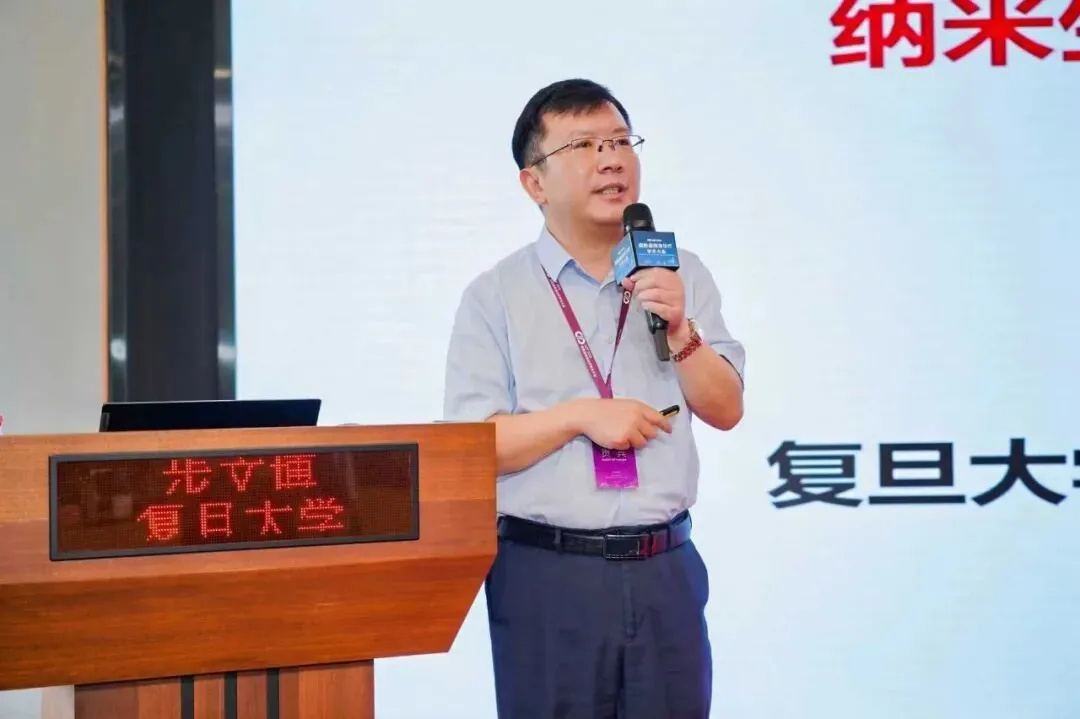
In the plenary session, Professor Wenbo Bu of Fudan University delivered “Reflections and Suggestions on Research Paradigms in Nanobiomedicine.” He invited a critical look at materials-driven research paths: although nanomaterials have advanced functional design and chemical reactivity, they have not yet resolved core biomedical bottlenecks such as disease-mechanism elucidation and targeting efficiency, and remain distant from clinical use. Building on that critique, he described his group’s systematic exploration of a medicine–engineering–science paradigm, from “chemodynamic therapy” and “reductive injury” to a second-stage “metabolic reactivation” strategy and the concept of a “biochemical family of targets,” offering an original framework for target discovery and drug development.
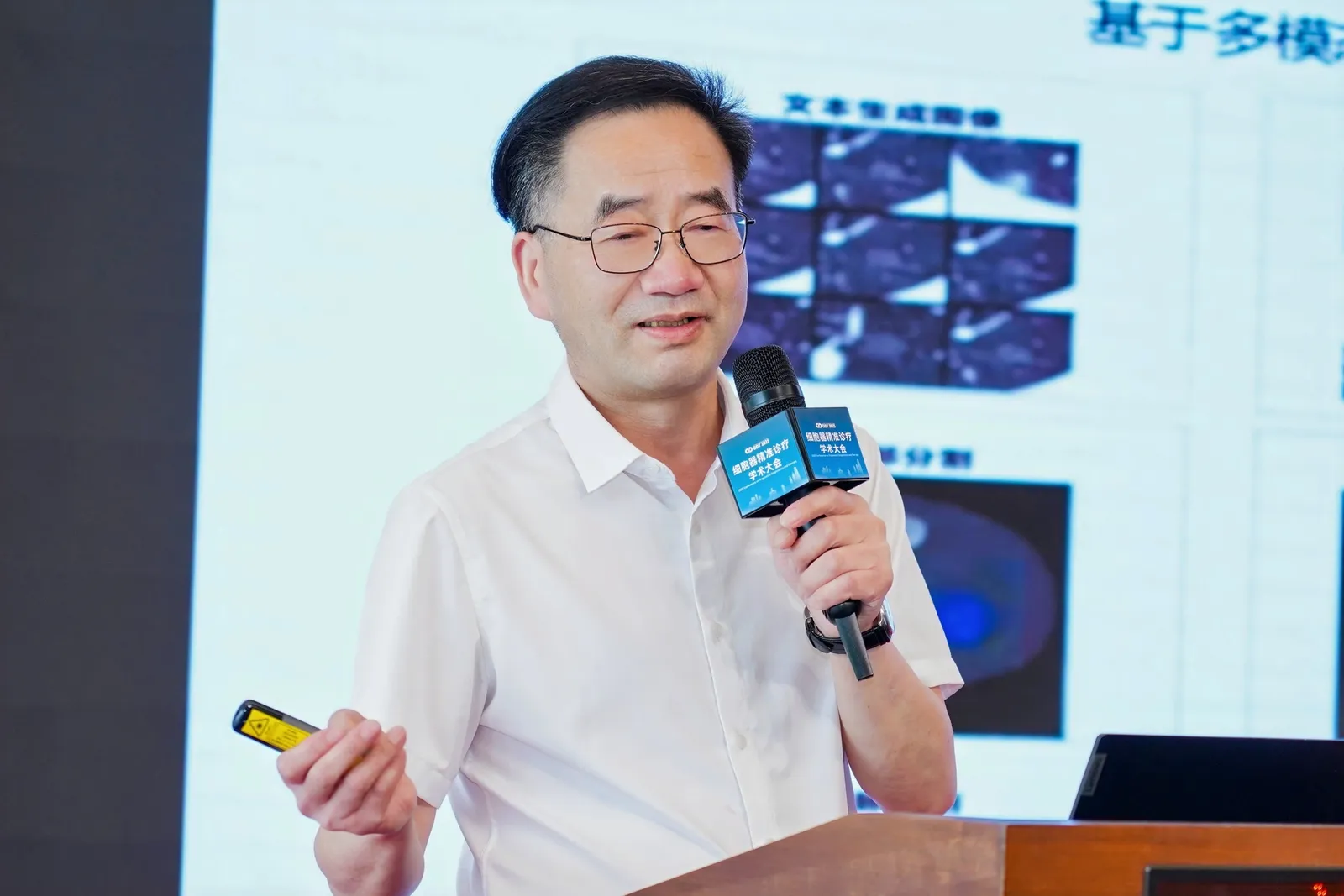
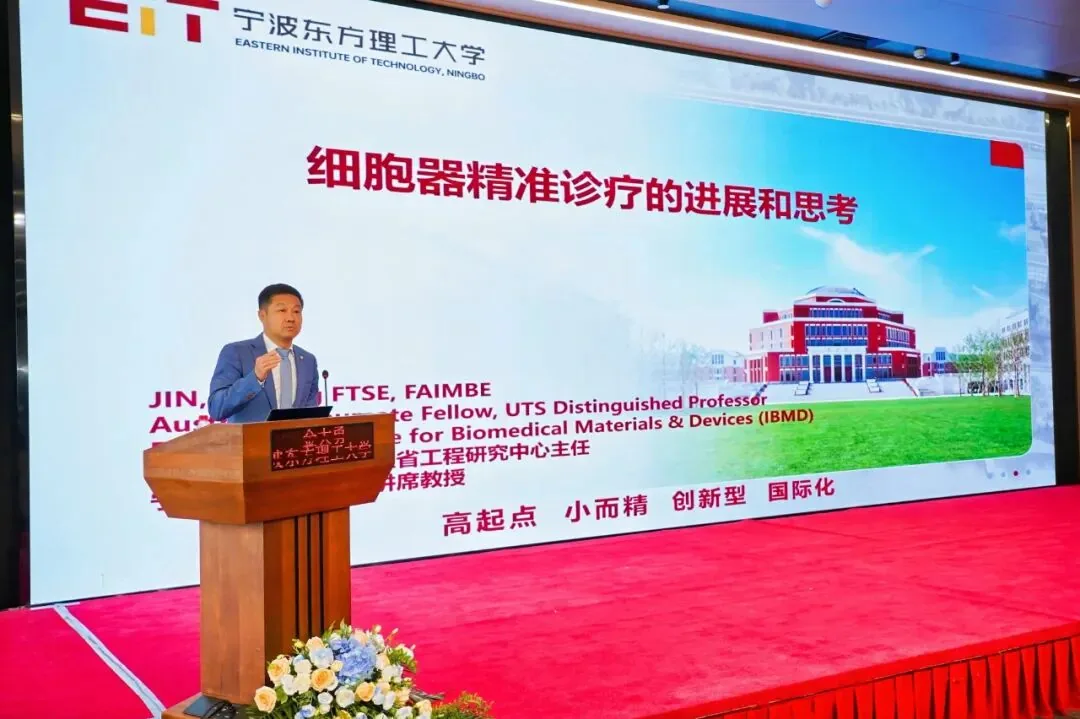
Professor Dayong Jin then delivered “Progress and Reflections on Organelle-targeted Precision Diagnosis and Therapy.” Starting from the history of microscopy, he reviewed the path from micro- to super-resolution and from qualitative to quantitative cell observation, and presented his team’s advances in live-cell imaging, organelle functional analysis, and precision measurement. He emphasized how advanced imaging reveals organelle dynamics in disease and how those mechanistic insights inform diagnostic strategies and new therapeutic modes.
Four thematic forums
Exploring the frontiers in multiple dimensions
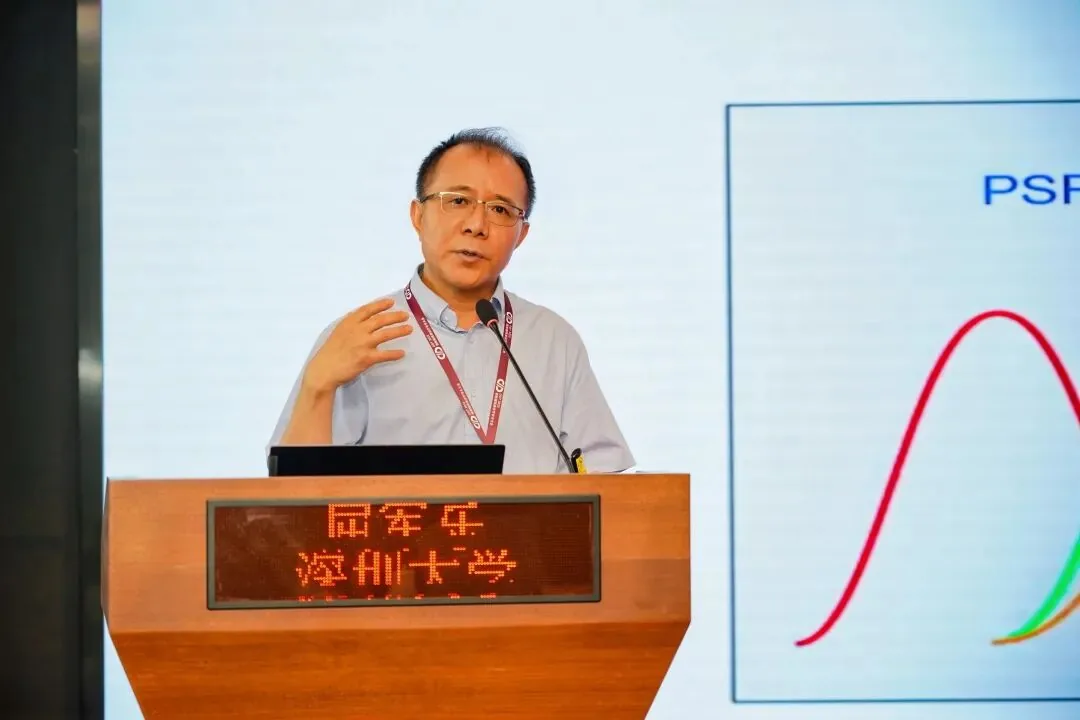
In the Organelle Imaging session, Junle Qu (Shenzhen University), Peng Xi (Peking University), Lele Li (National Center for Nanoscience and Technology), Dong Li (Tsinghua University), and Kun Xu (Carl Zeiss) reported on super-resolution methods and applications, examining how spatiotemporal organelle imaging serves basic research, diagnosis, and therapy.
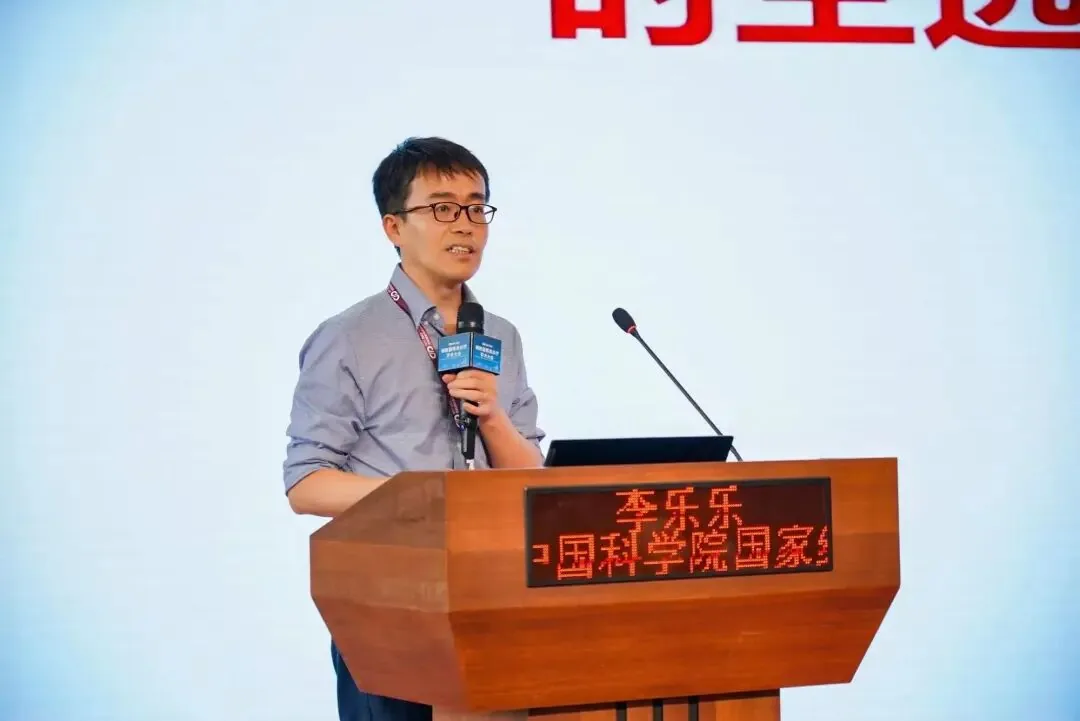
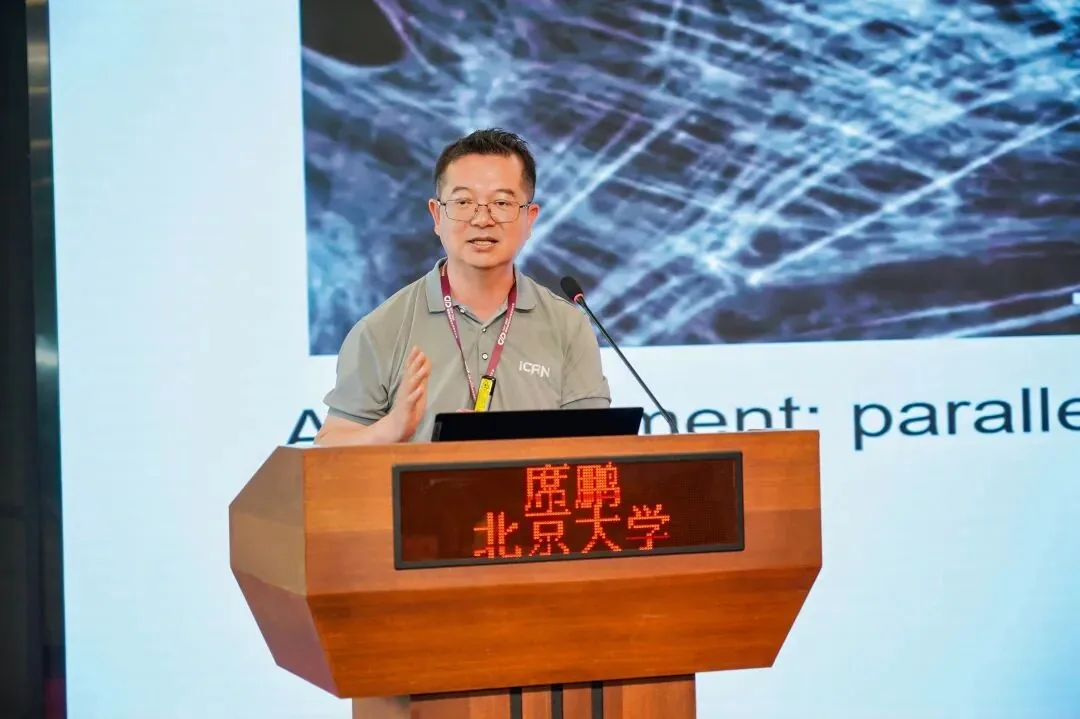
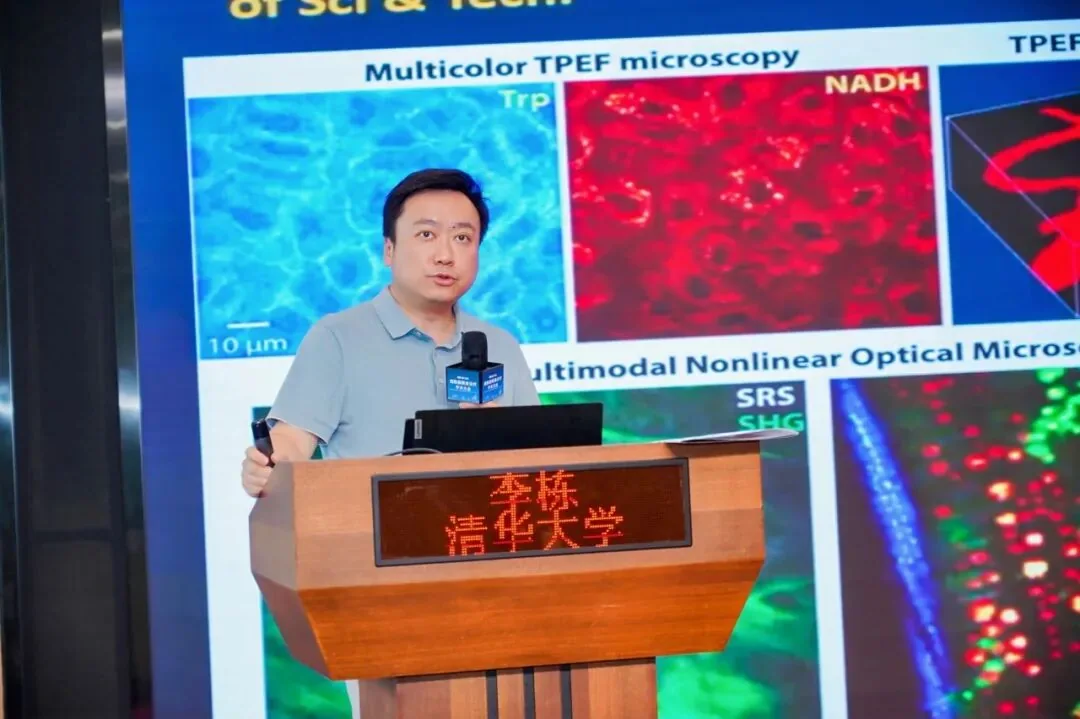
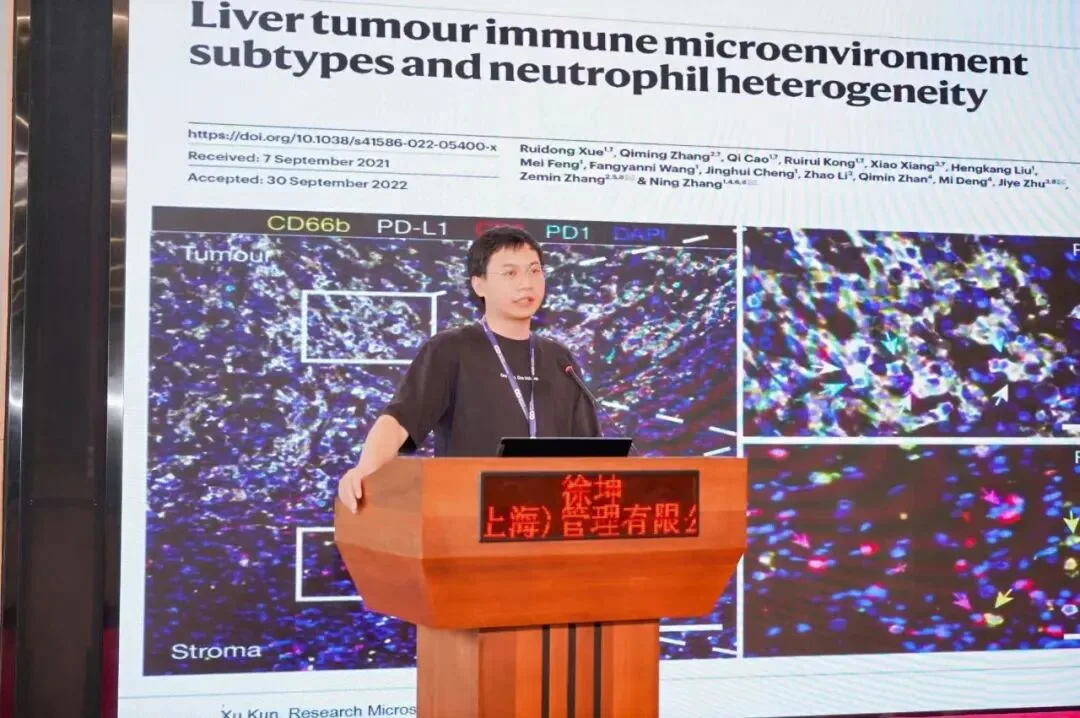
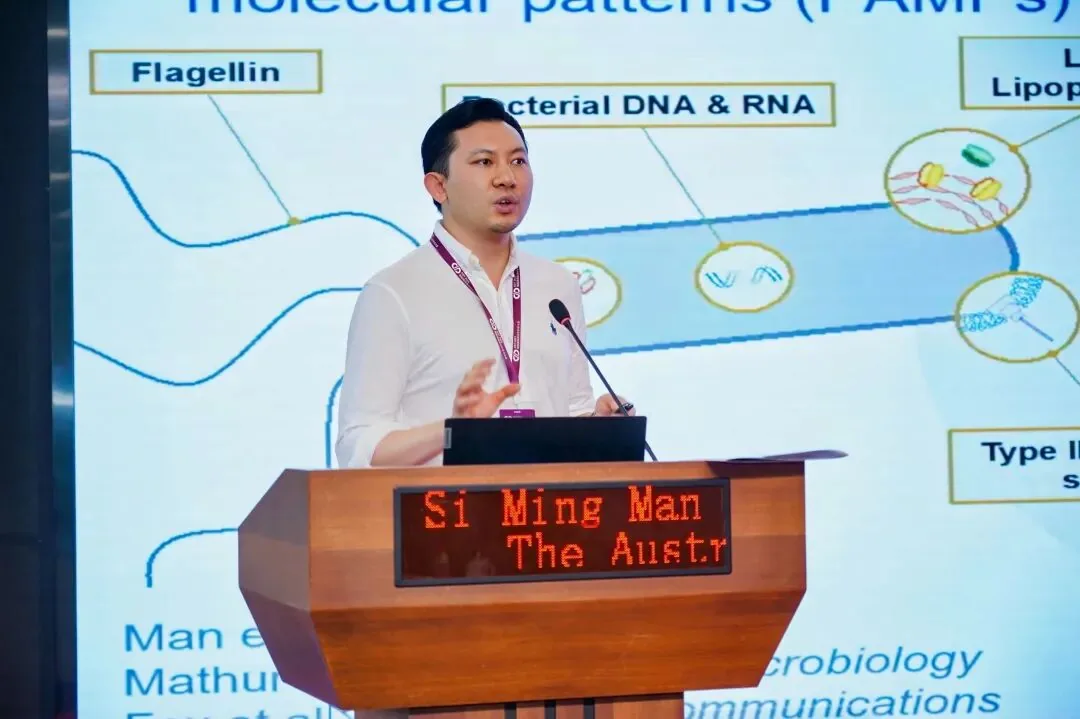
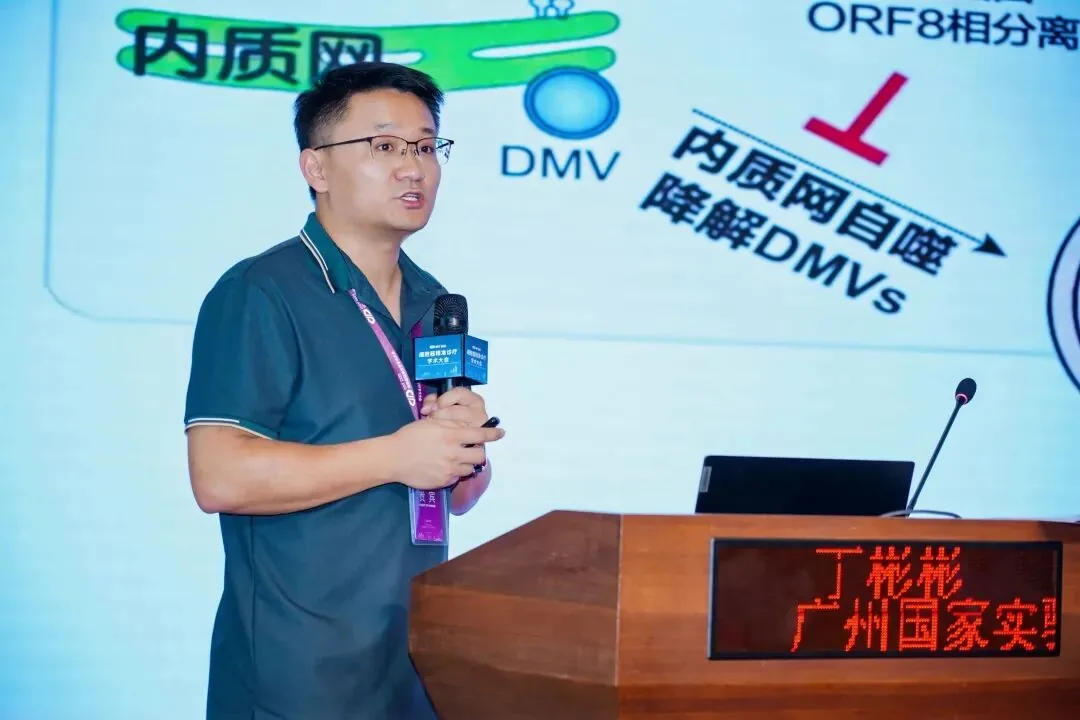
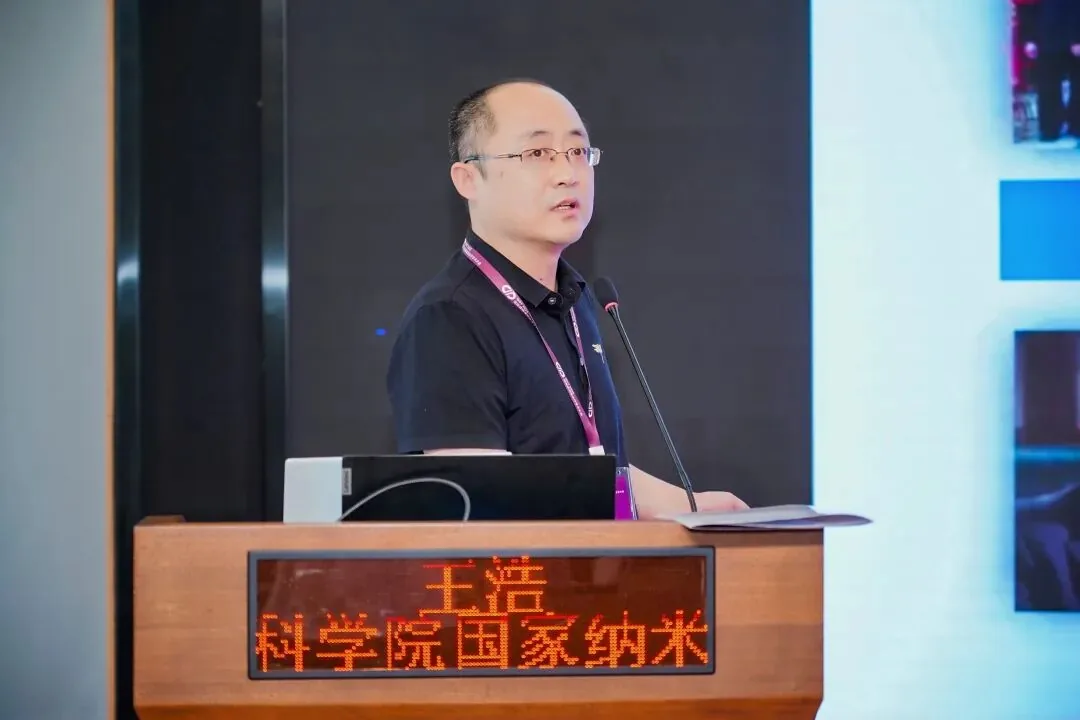
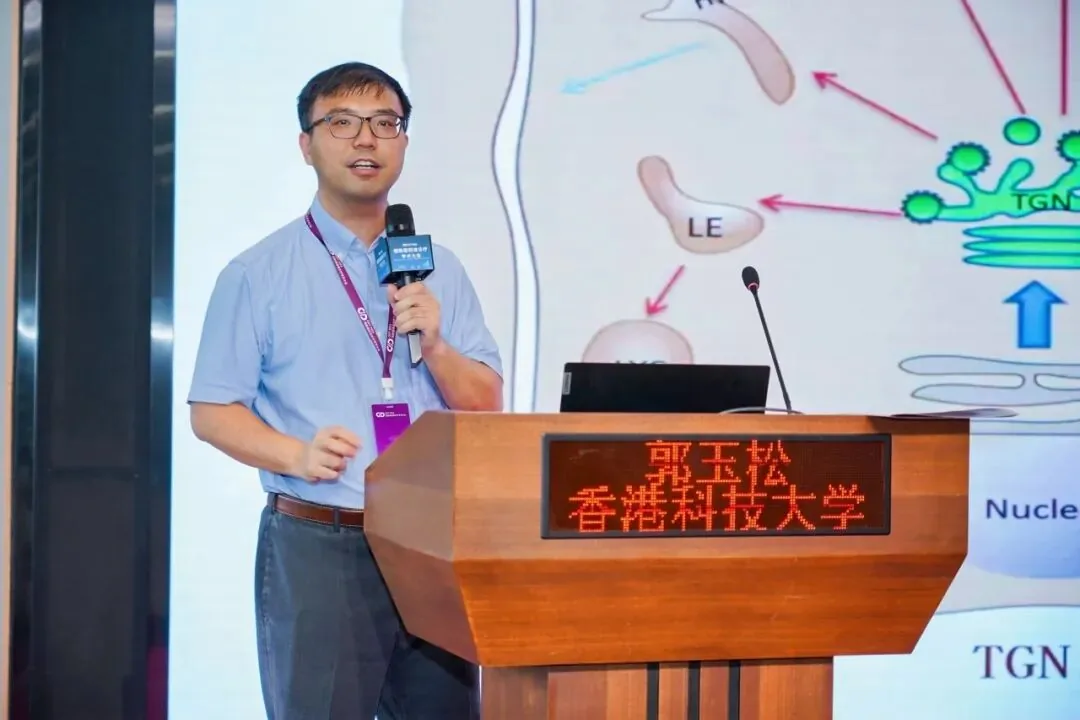
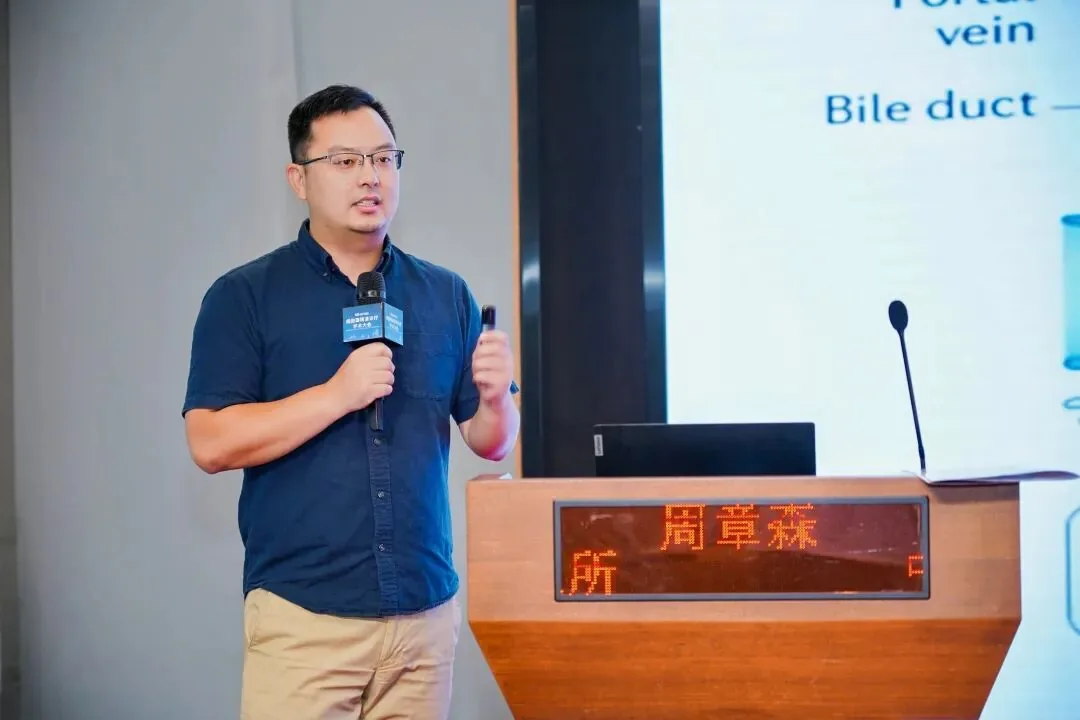
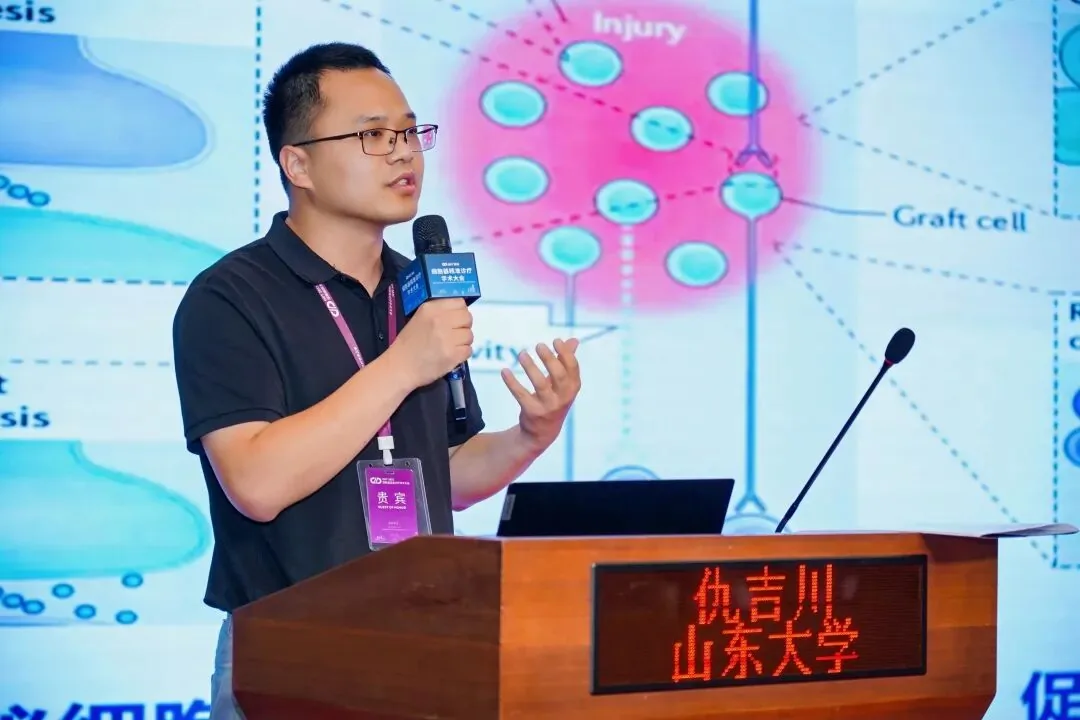
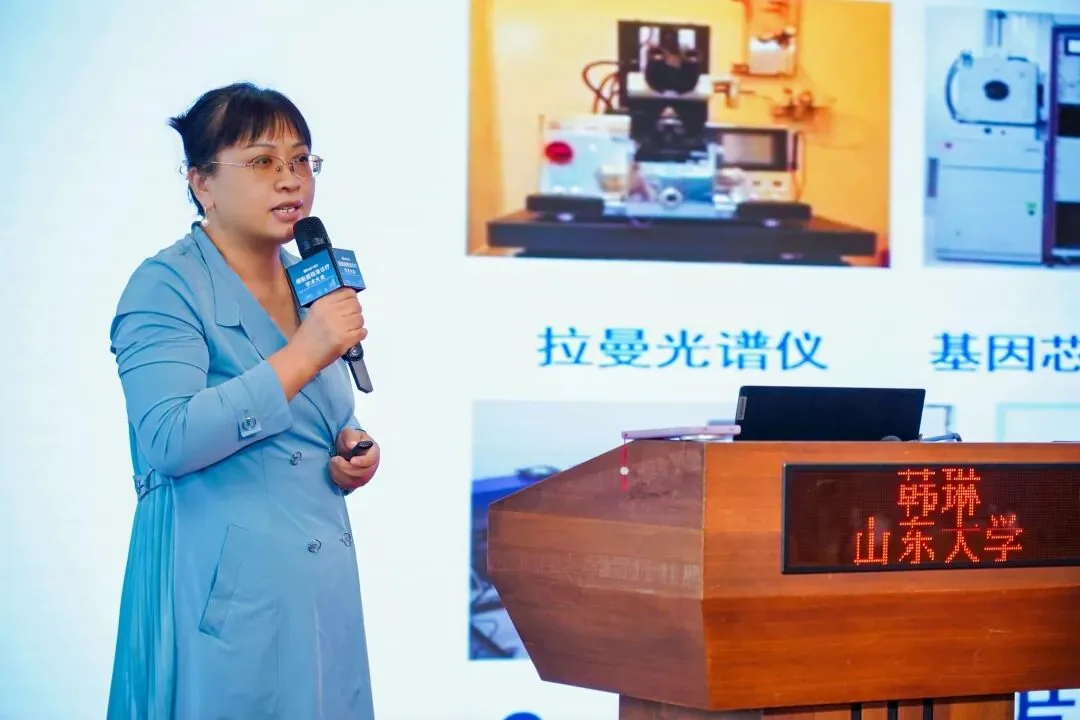
In the Organelle Interactions session, Si Ming Man (Australian National University), Hao Wang (National Center for Nanoscience and Technology), Binbin Ding (Guangzhou National Laboratory), Yusong Guo (Hong Kong University of Science and Technology), Zhangsen Zhou (Shanghai Institute of Nutrition and Health, CAS), and Jichuan Qiu (Shandong University) discussed current questions in organelle crosstalk and offered new approaches to mechanism studies.
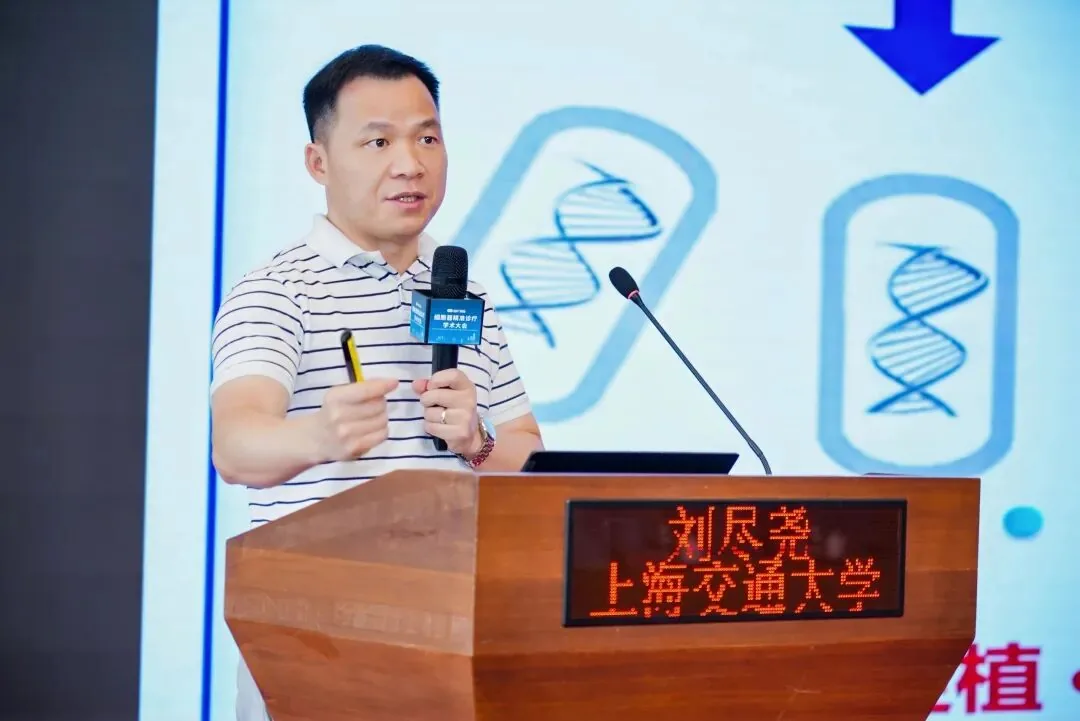
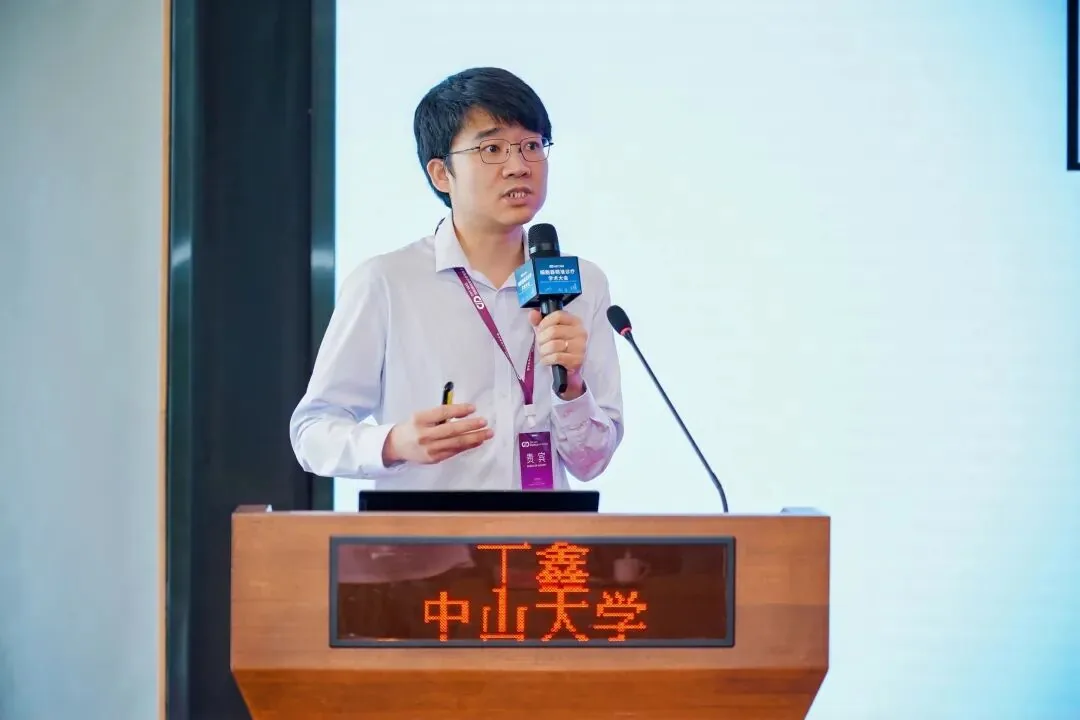
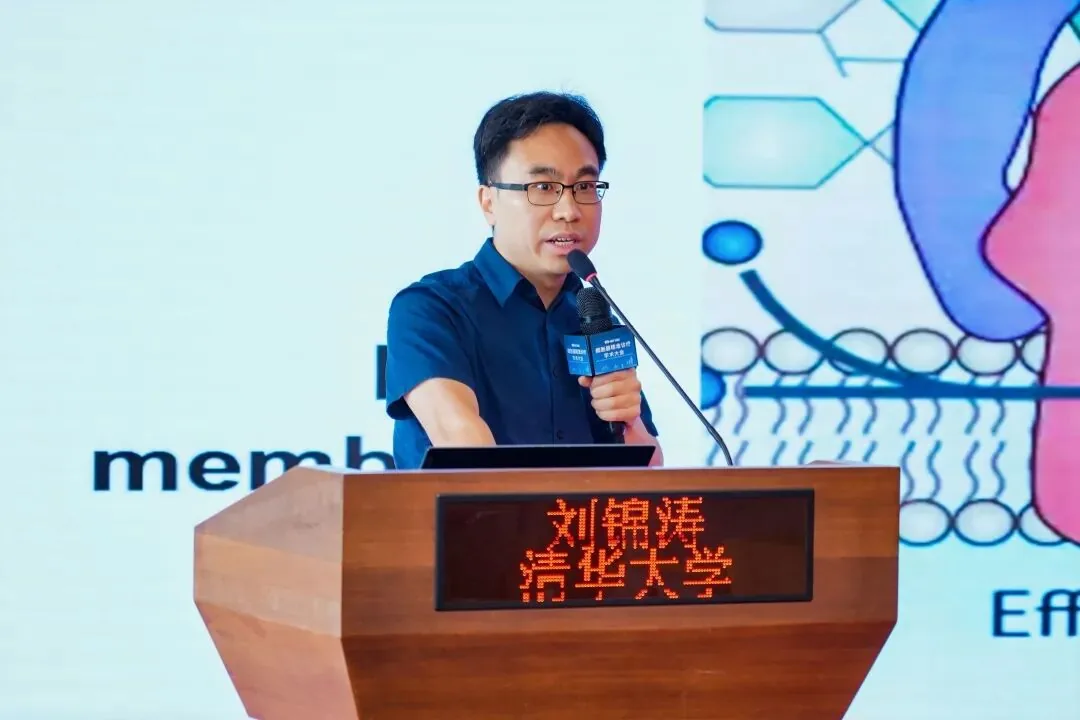
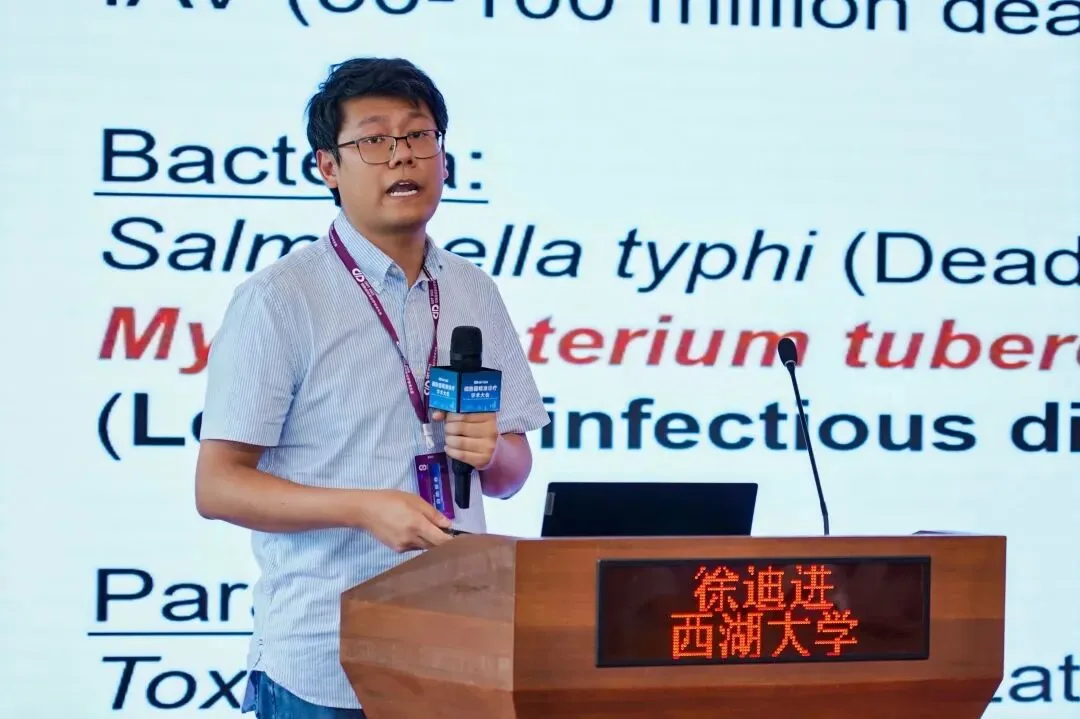
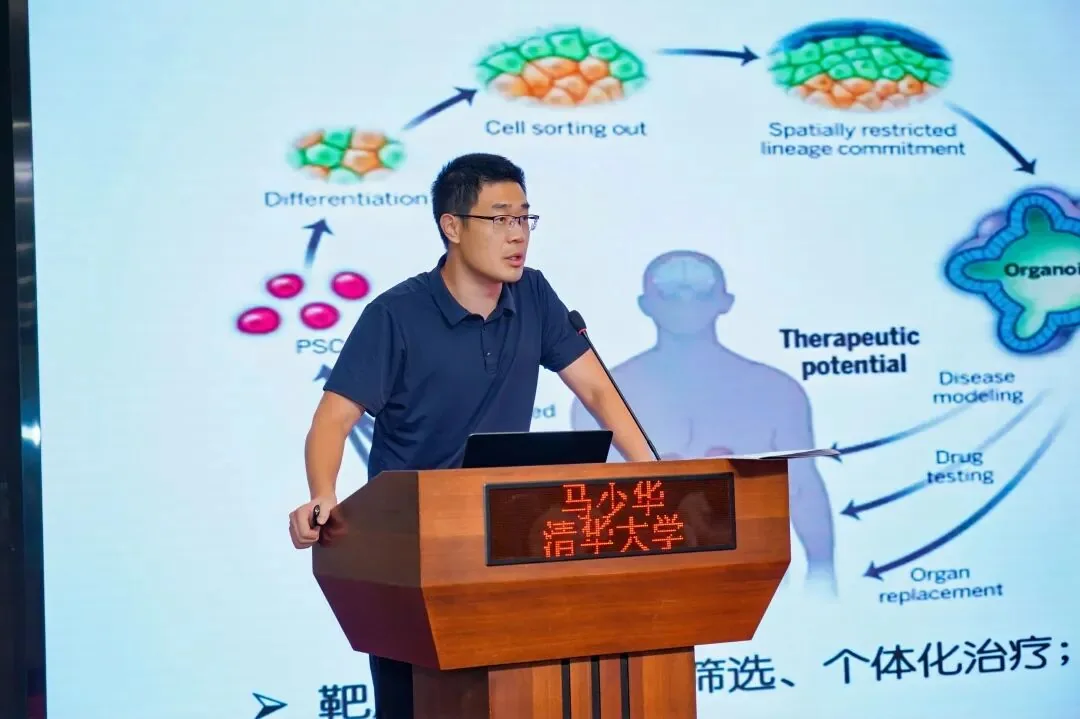
In the Antimicrobial Resistance, Drug Screening, and Disease Mechanisms session, Jinyao Liu (Shanghai Jiao Tong University), Fan Bai (Peking University), Zhiyin Song (Huazhong University of Science and Technology), Chen Jiang (Fudan University), Xin Ding (Sun Yat-sen University), Xiaowei Chen (Peking University), Jintao Liu (Tsinghua University), Jianhua Guo (University of Queensland), Kuangshi Chen (Peking University), Lizhuang Liu (Shanghai Advanced Research Institute, CAS), Dijin Xu (Westlake University), and Jing Qian (BD) shared advances from multiple angles. Talks ranged from fundamental biological mechanisms to more precise studies of antimicrobial resistance and new biodrug-delivery platforms, illustrating how materials science, artificial intelligence, and molecular biology can be integrated to address complex biomedical problems.
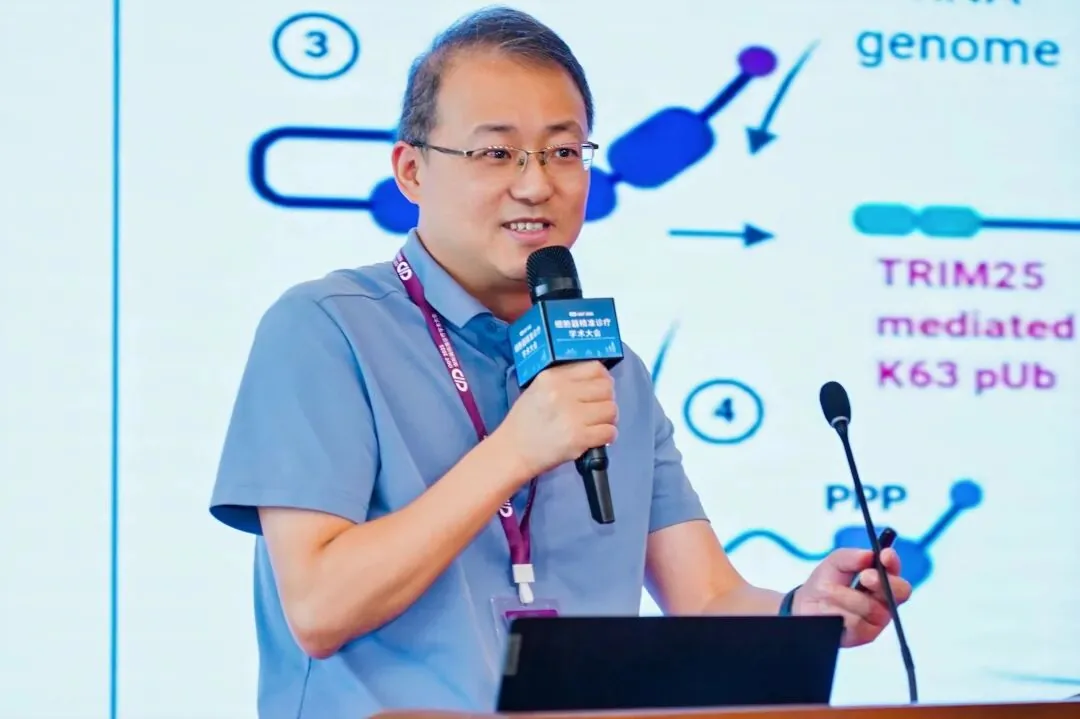
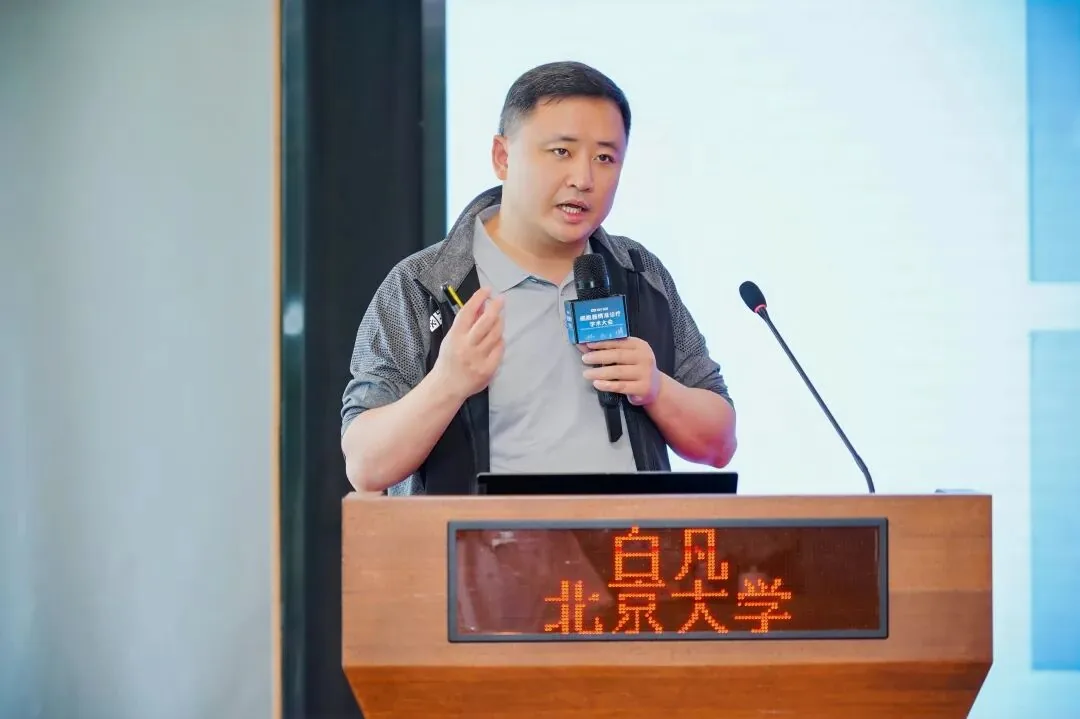
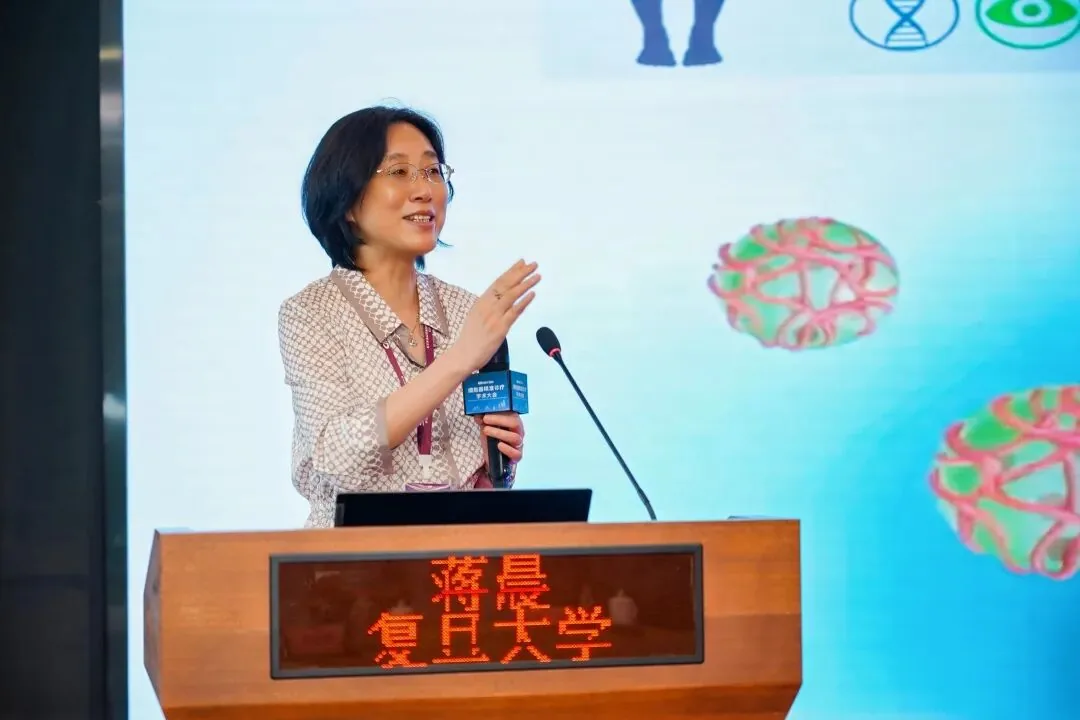
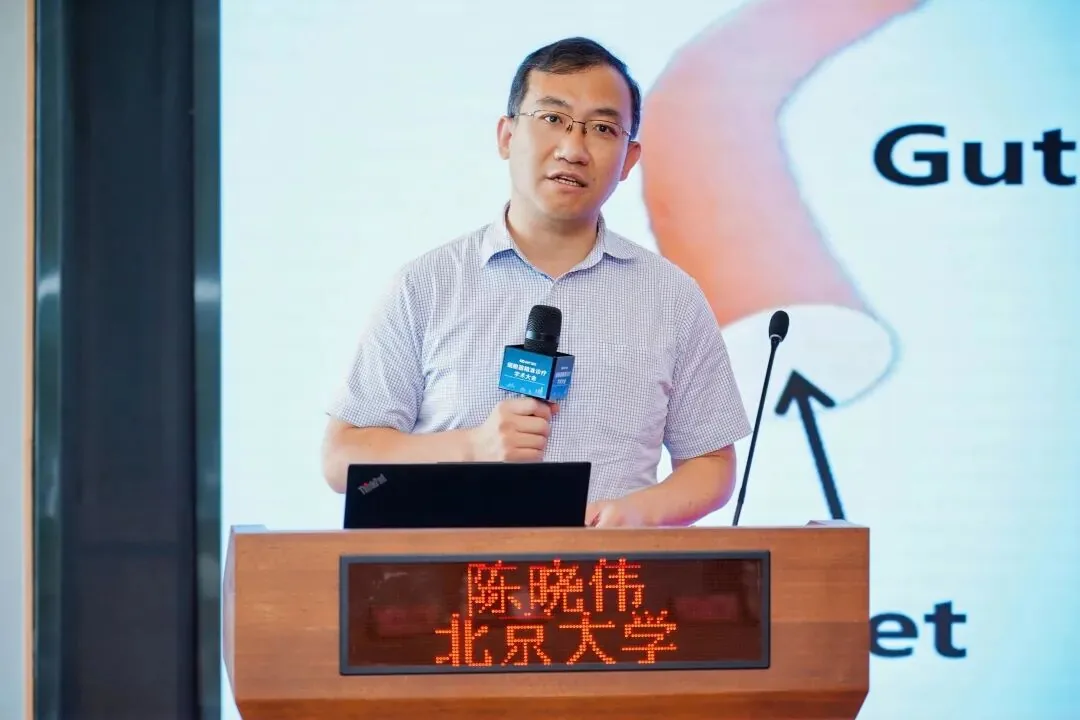
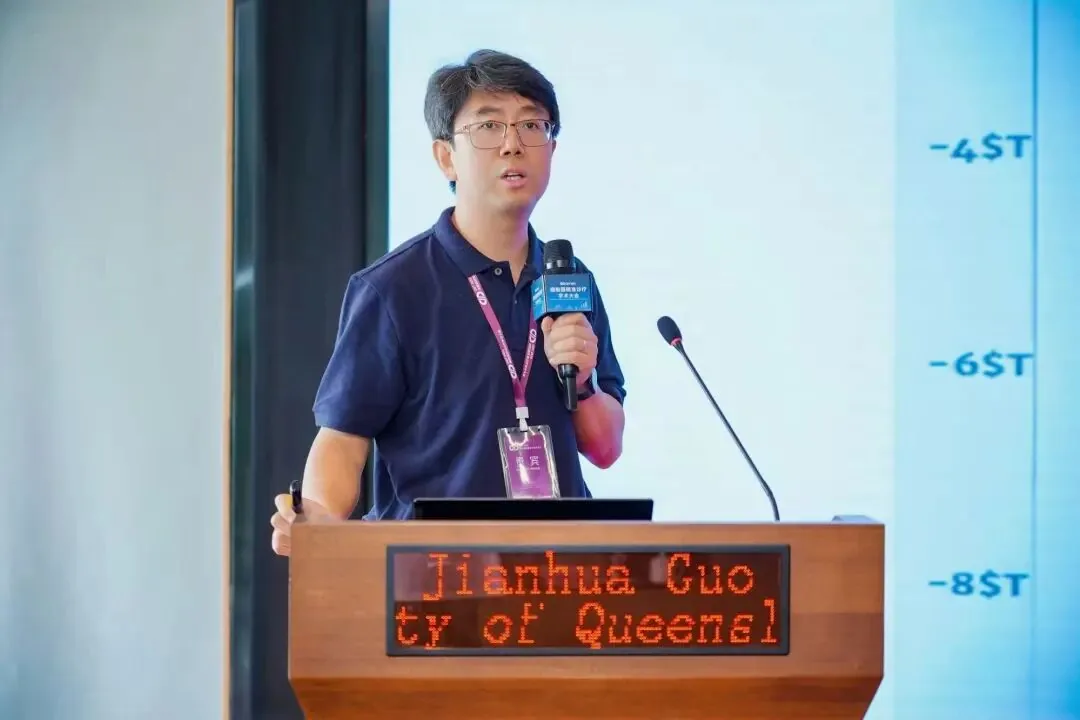
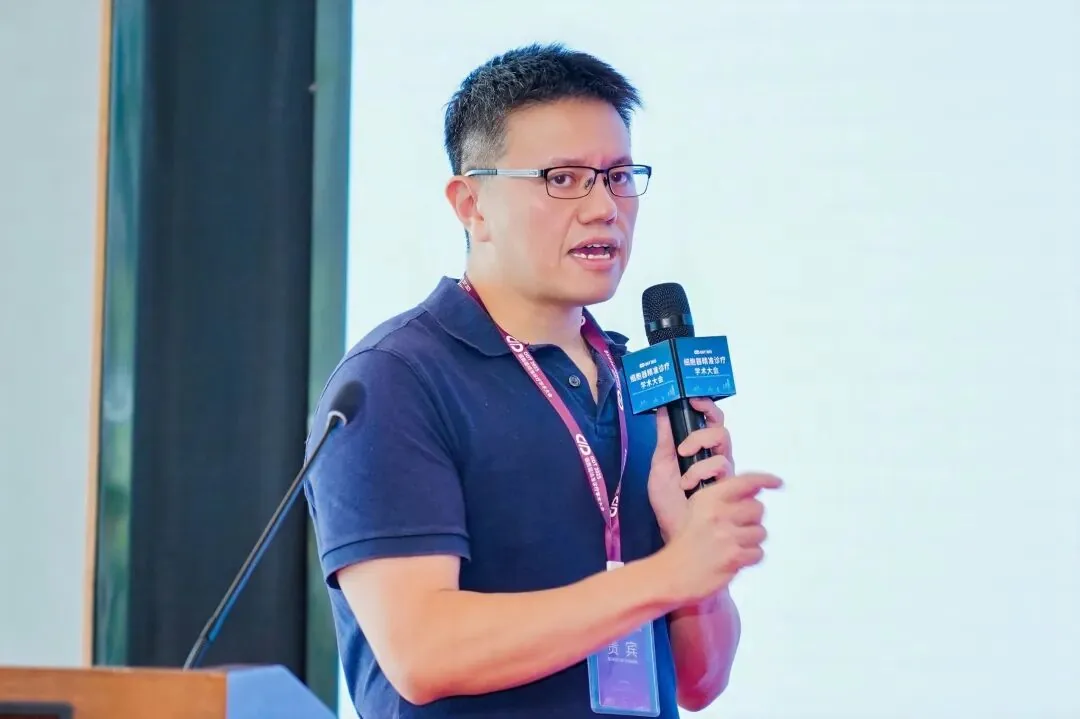
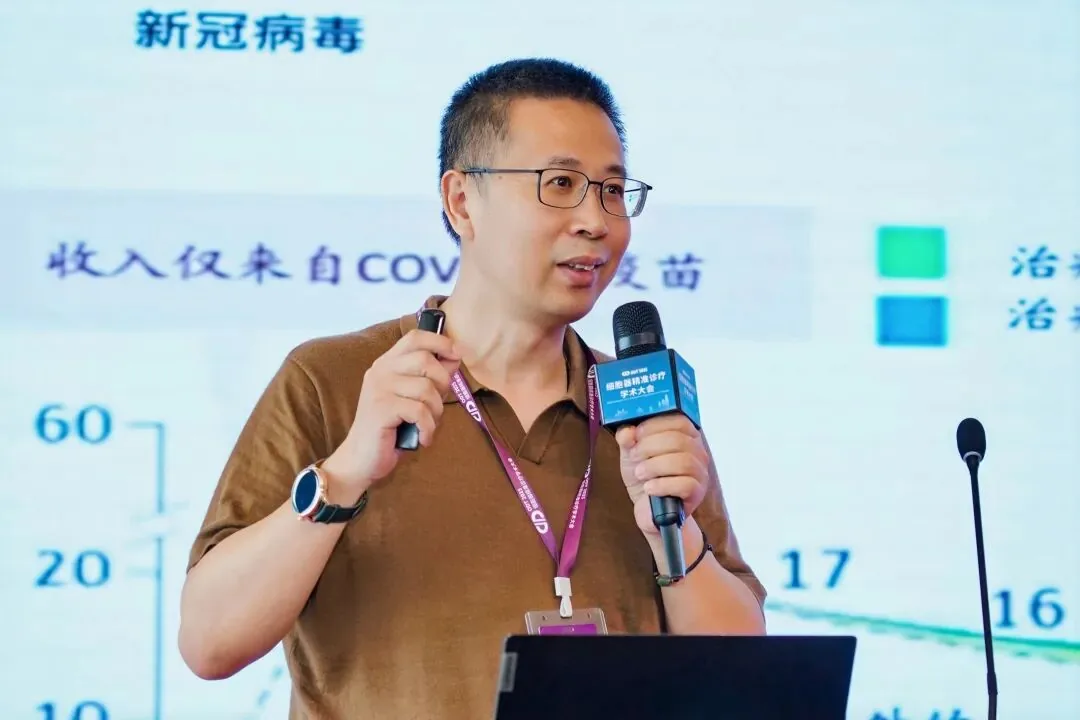
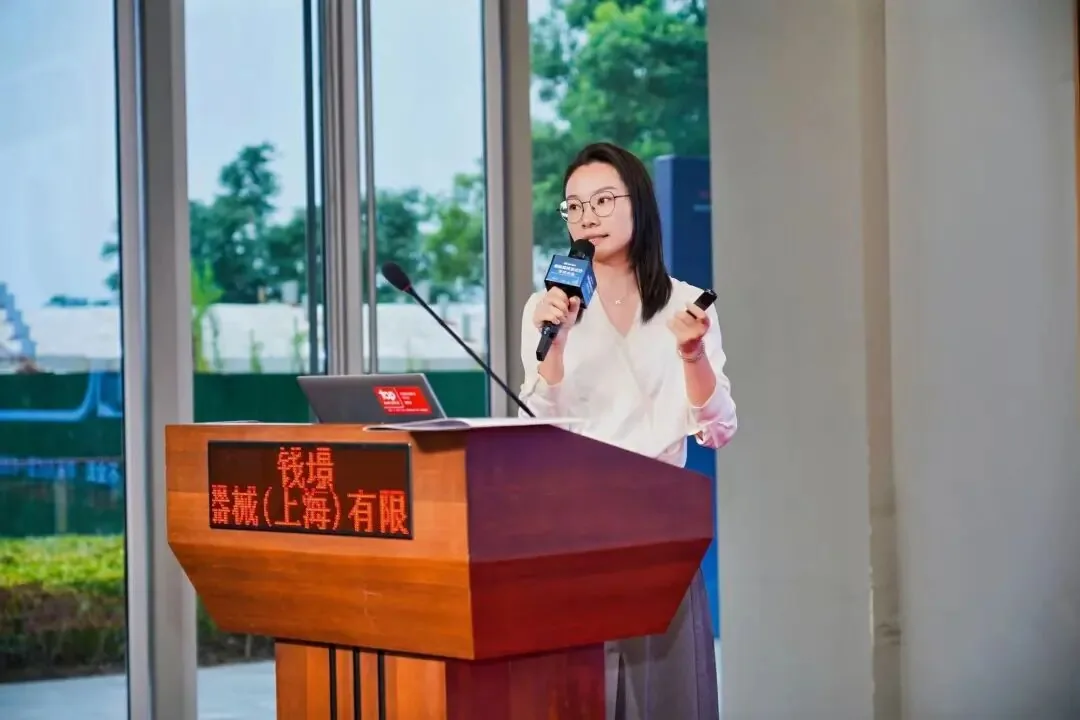
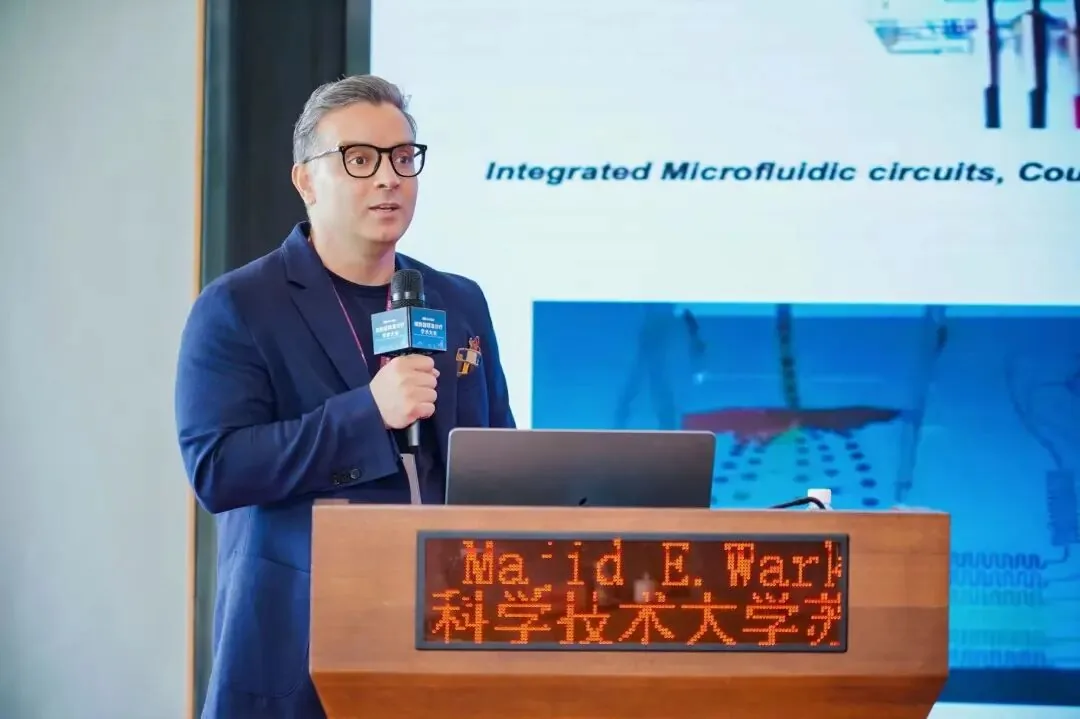
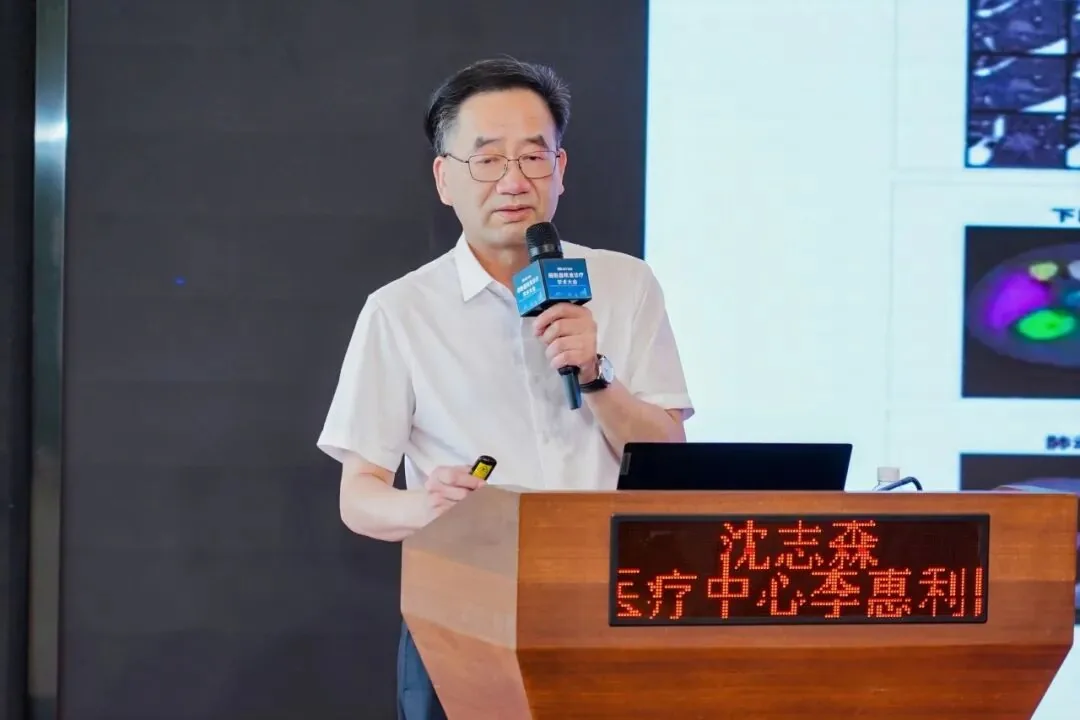
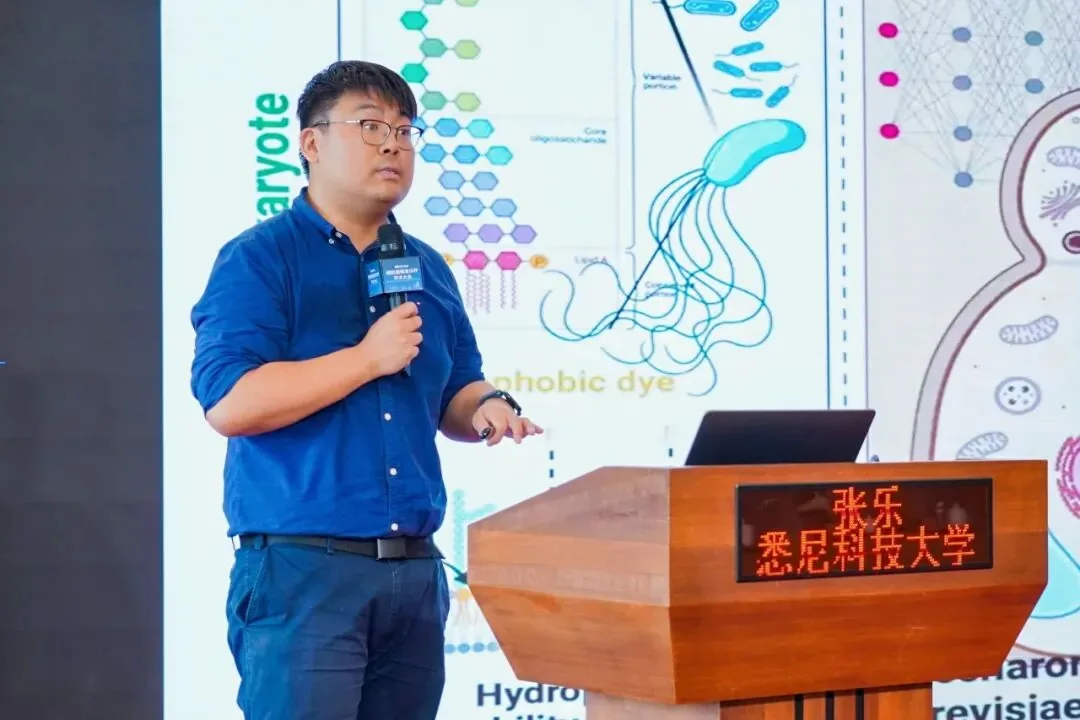
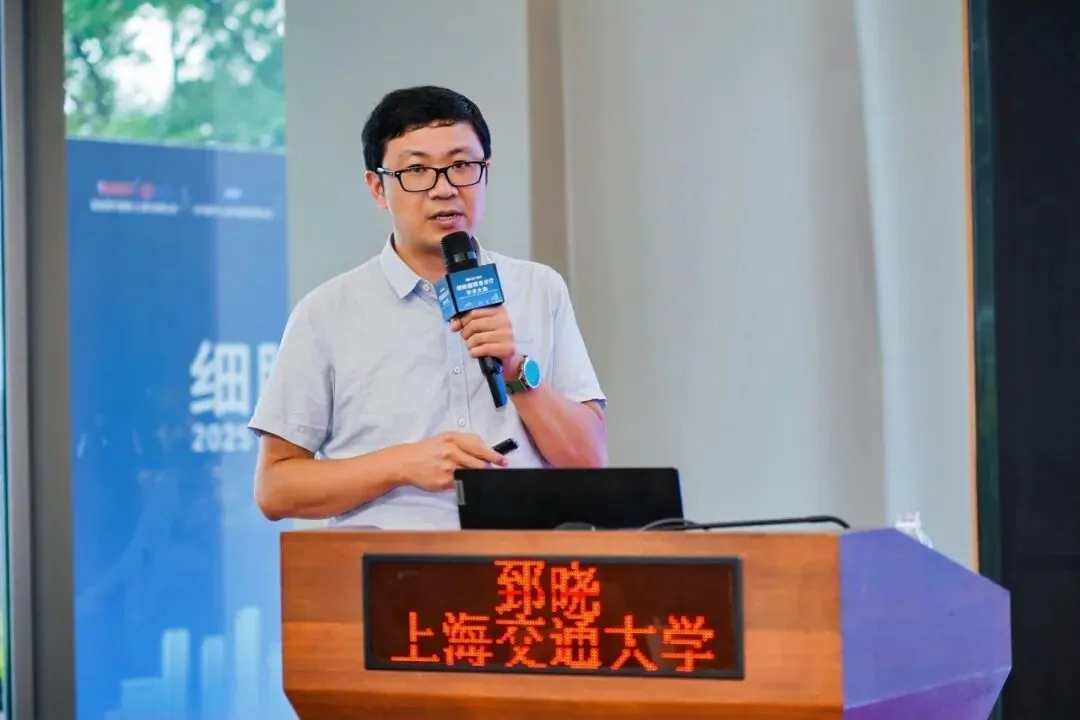
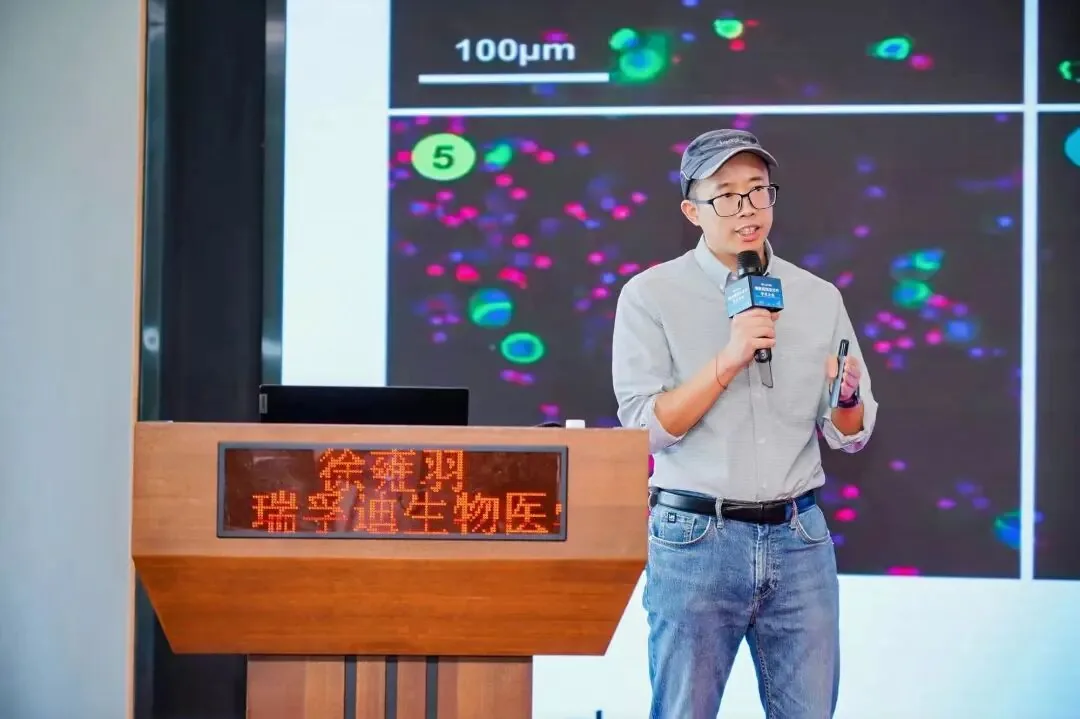
In the Organoid Intelligence session, Xinhua Lin (Fudan University), Liqun Chen (Tianjin University), Majid E. Warkiani (Suzhou Institute for Advanced Research, USTC), Zhisen Shen (Ningbo Medical Center Lihuili Hospital), Le Zhang (University of Technology Sydney), Lin Han (Shandong University), Shaohua Ma (Tsinghua University), Xiao Zhi (Shanghai Jiao Tong University), and Yongyu Xu (Revvity) reviewed progress in organoid research as a vehicle for drug discovery and personalized medicine. A closed loop from basic research through clinical application to translation is taking shape, supporting precision medicine and biosafety.
Industry forum
Bridging academia, the clinic, industry, and investment
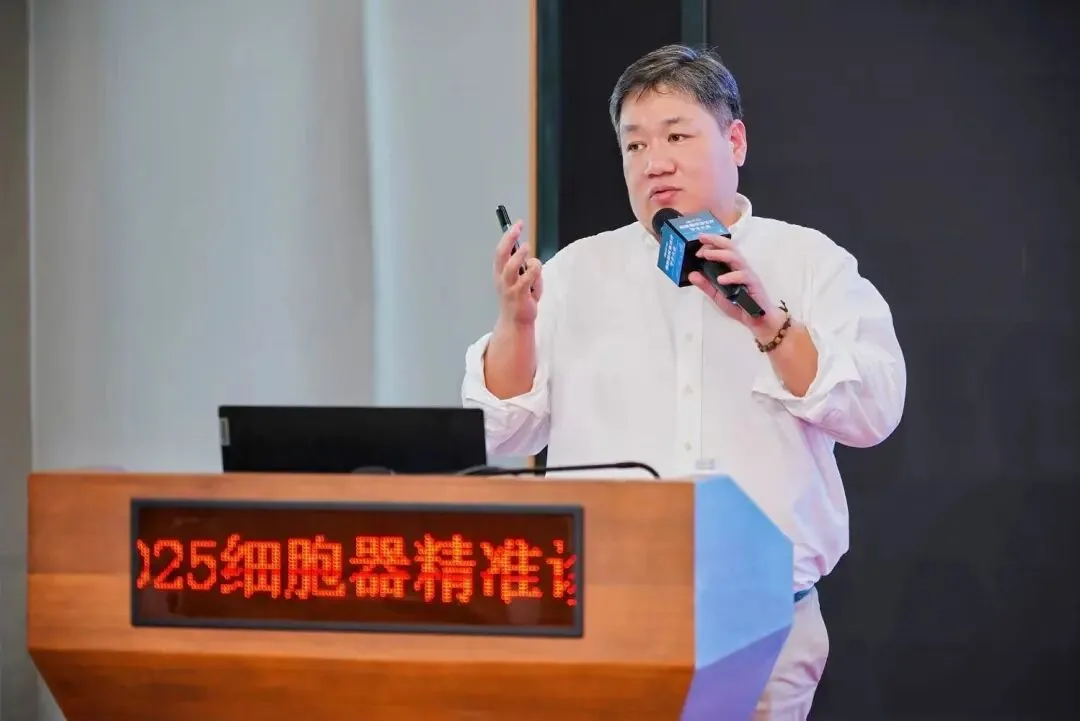
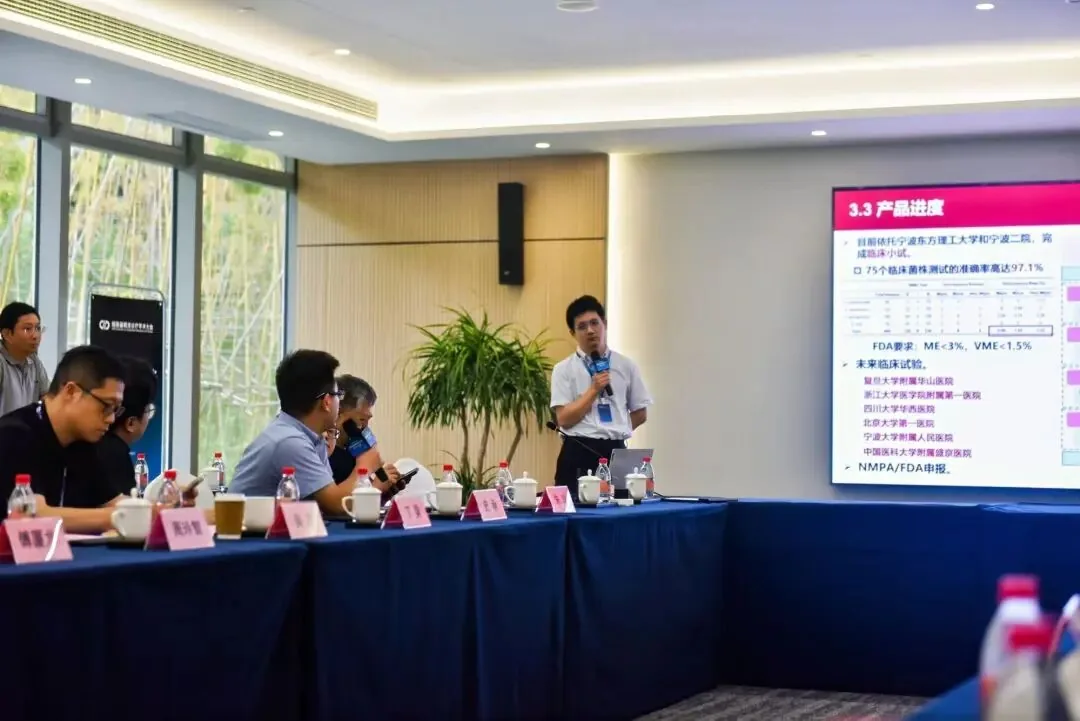
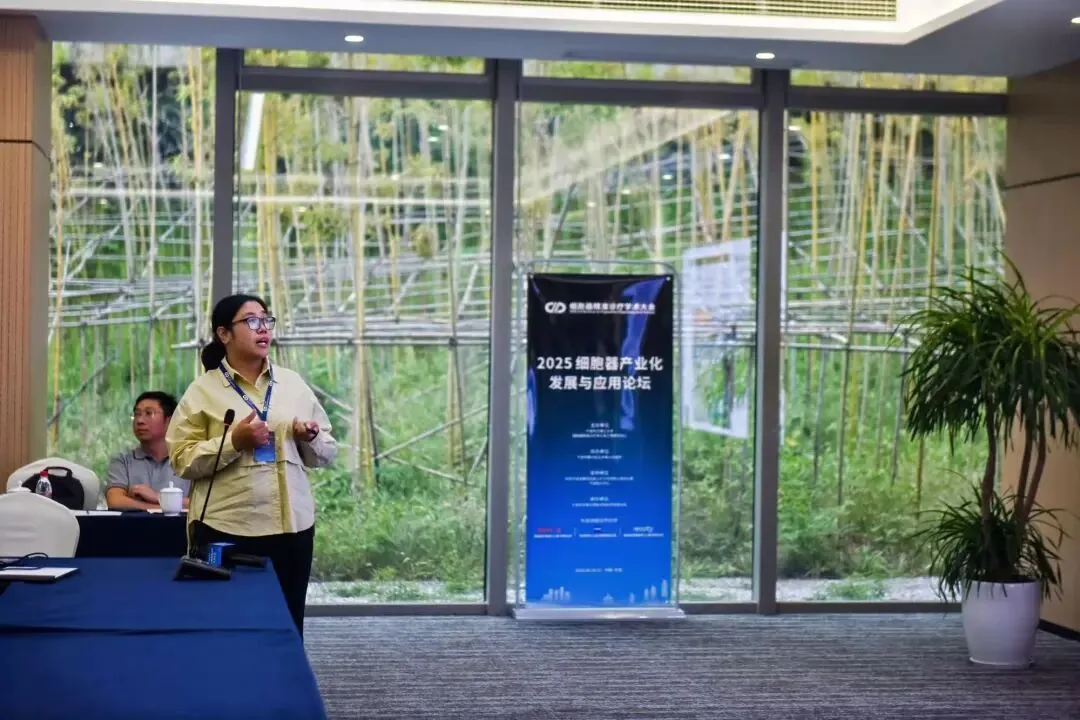
The parallel Forum on Industrial Application and Development of Organelle Technologies bridged academia, hospitals, industry, and investment. Tian Xia, Executive Dean of the Yinzhou (EIT) Digital-Intelligent Biology Innovation Institute, chaired the session. Jie Wu, Deputy General Manager of Shanghai Science & Technology Innovation Investment, spoke on “Demand-driven translation and entrepreneurship in biomedicine.” Discussion covered the industrialization of organelle and biophotonics technologies and five project pitches that illustrated both scientific progress and commercial potential. Kai Mao of the Yongjiang Science & Innovation Zone presented the local investment environment and policies.
Closing
Toward a new era of organelle-targeted precision medicine
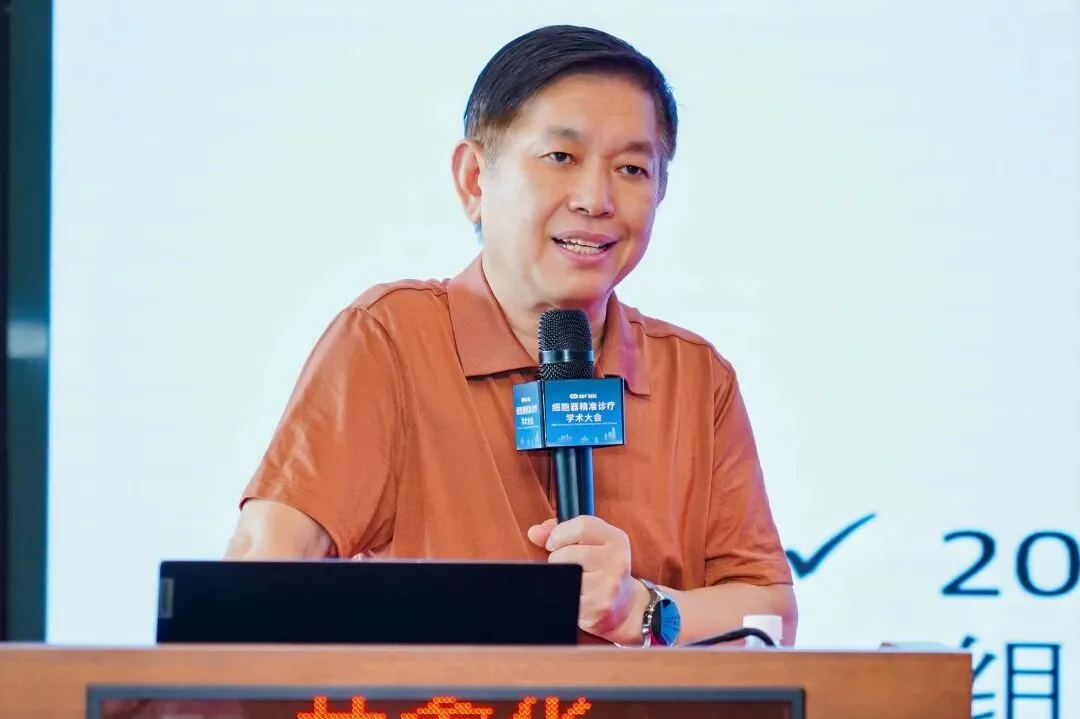
The 2025 conference provided a forum for in-depth exchange among researchers and practitioners, reflecting a shared commitment to moving basic discoveries toward clinical use and closer academic–industry collaboration. Participants agreed that organelle-targeted precision medicine, as an emerging interdisciplinary field, has a broad future. With continued technical progress, it is expected to yield further advances in prevention, diagnosis, therapy, and drug discovery. The hosts — Eastern Institute of Technology, Ningbo, and the Zhejiang Engineering Research Center — pledged to continue convening high-quality meetings, guided by biomedical need and supported by medicine–engineering integration, to help open the era of organelle-targeted precision diagnosis and therapy.
ODT 2025 · Snapshots
Snapshots