Organelle Interactions
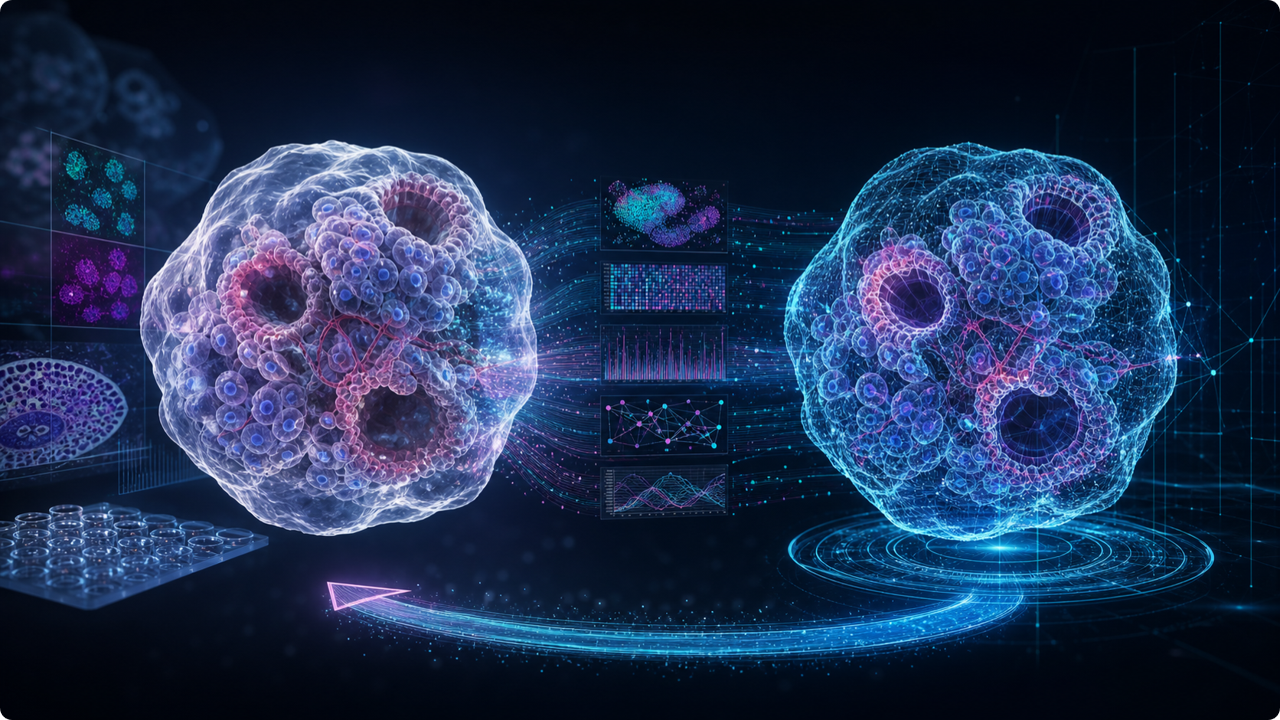
Combining super-resolution imaging with deep learning to track how multiple organelles interact in real time, revealing the mechanisms of life and offering a street-view-style map for precision diagnosis and therapy
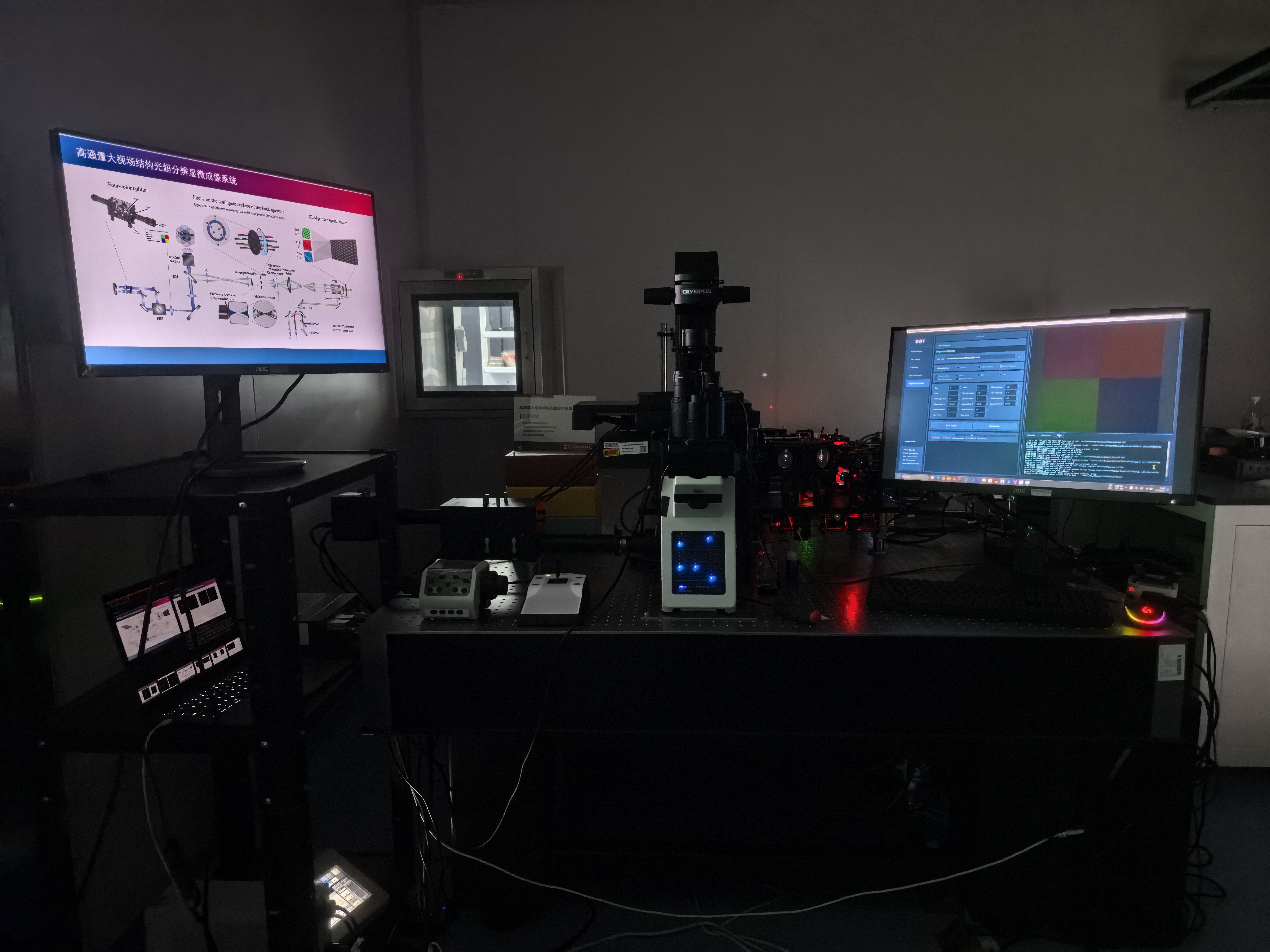
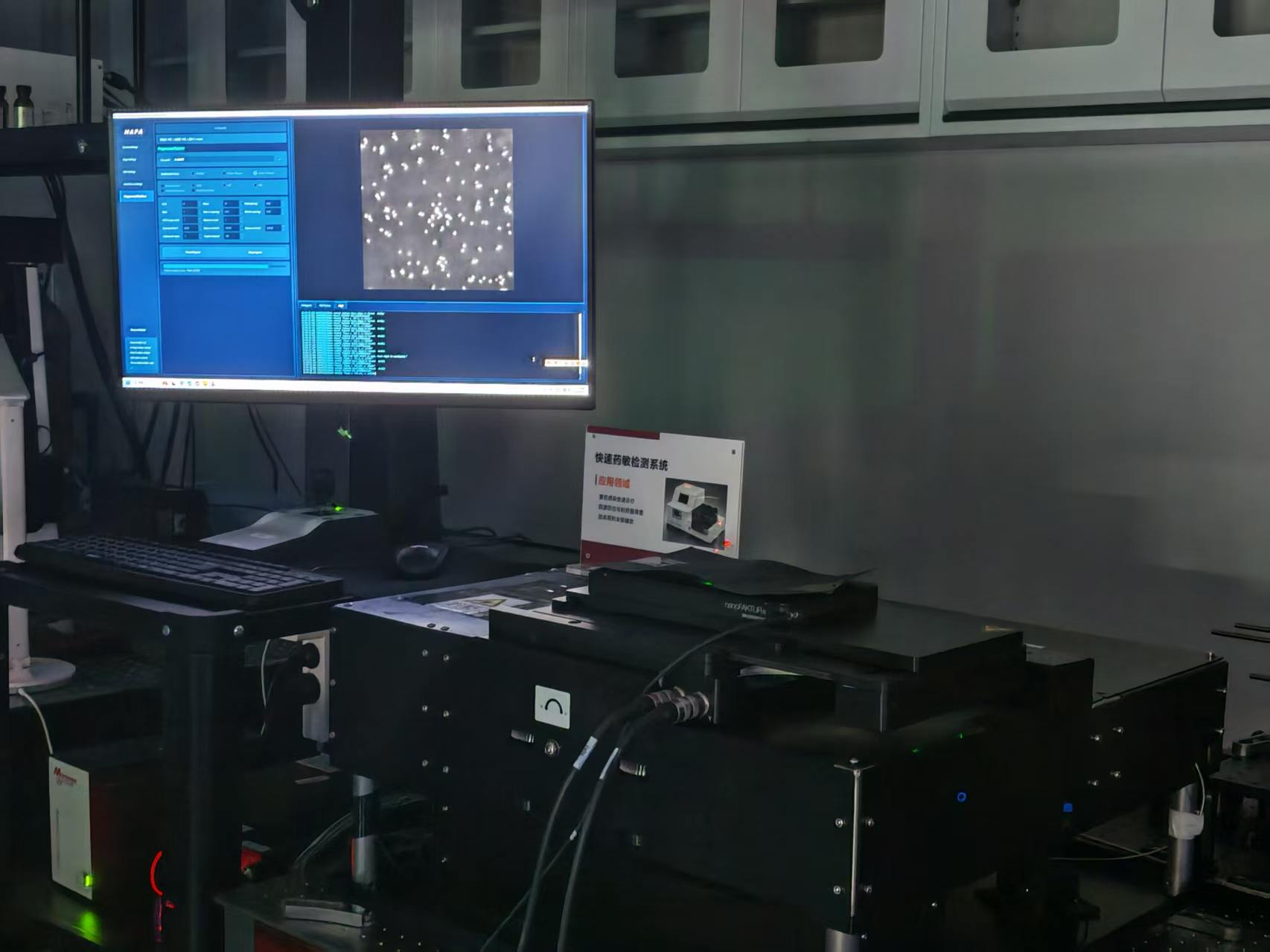
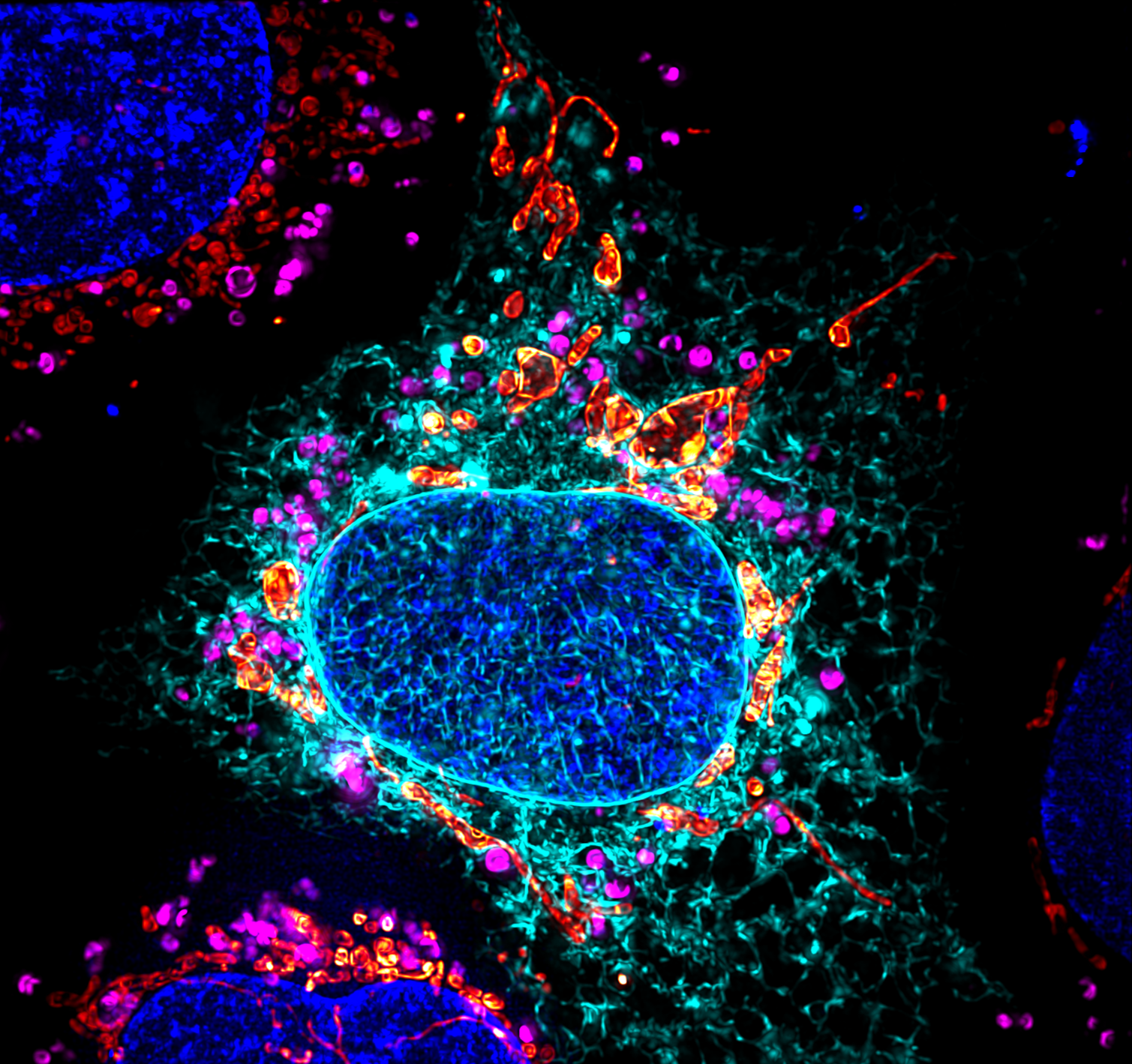
Organelles divide up and coordinate their work in space to form interaction networks, and disruptions of these networks are linked to many diseases, including neurodegeneration and cancer. Systematically resolving the material exchange, signal transmission and spatiotemporal features of organelle interactions is therefore key to understanding how life works and to developing organelle-targeted diagnostics and therapies. The team pursues this direction on three fronts. First, organelle interaction research, focusing on material exchange at membrane contact sites, the transmission and feedback of molecular signals, and dynamic interaction patterns during the cell cycle, differentiation and apoptosis. Second, super-resolution optical systems that break the roughly 200 nm diffraction limit of conventional microscopes, with emphasis on SIM imaging, multimodal integration, adaptive optics and fast spinning-disk confocal scanning. Third, algorithms and data management, including deep-learning image processing and analysis, trajectory tracking and dynamic analysis, and a cloud platform for big-data storage and management. The center's flagship result is spectral-polarization optical tomography (SPOT), developed by Academician Dayong Jin's team, which uses intensity, spectrum and polarization to image the membranes of 10 subcellular organelles with high spatiotemporal resolution (published in Nature Communications). By combining multidimensional super-resolution microscopy with deep learning, the team has achieved real-time tracking of organelle dynamics across 15 subcellular structures with over 80% accuracy.