Virtual Cell
Combining in-house super-resolution imaging with AI algorithms to build digital-twin models of virtual cells for target discovery and accurate prediction of drug efficacy
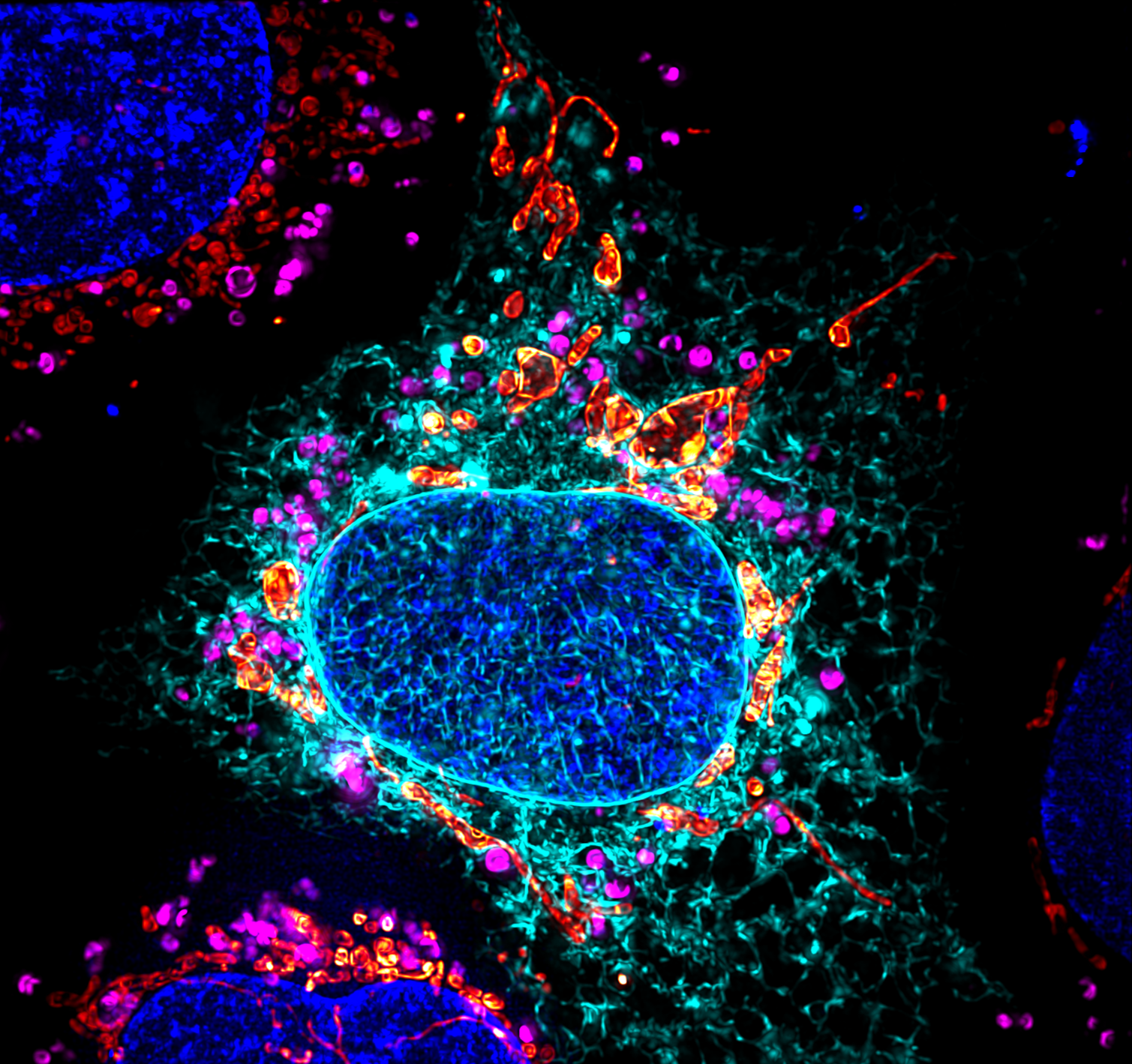
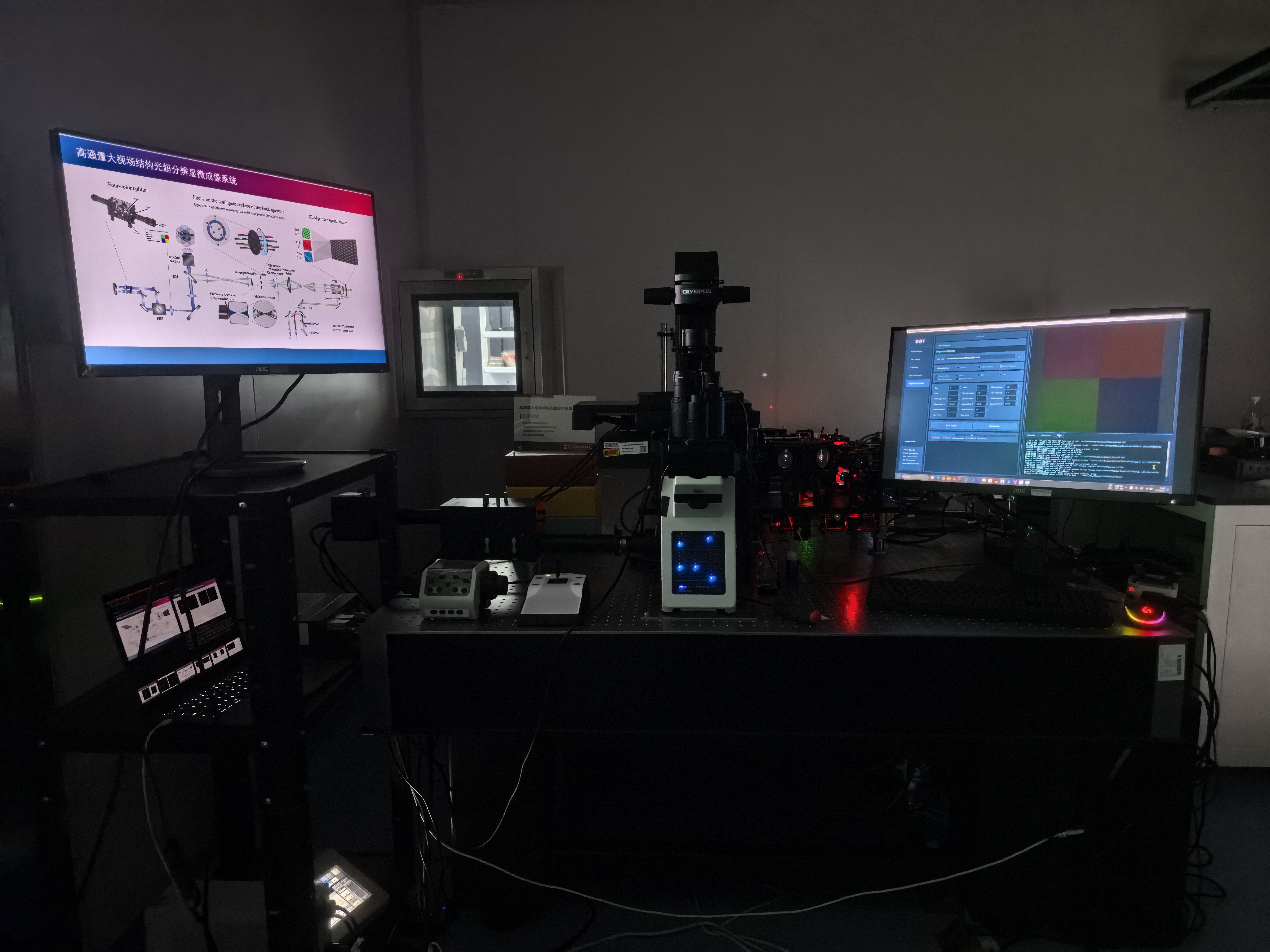
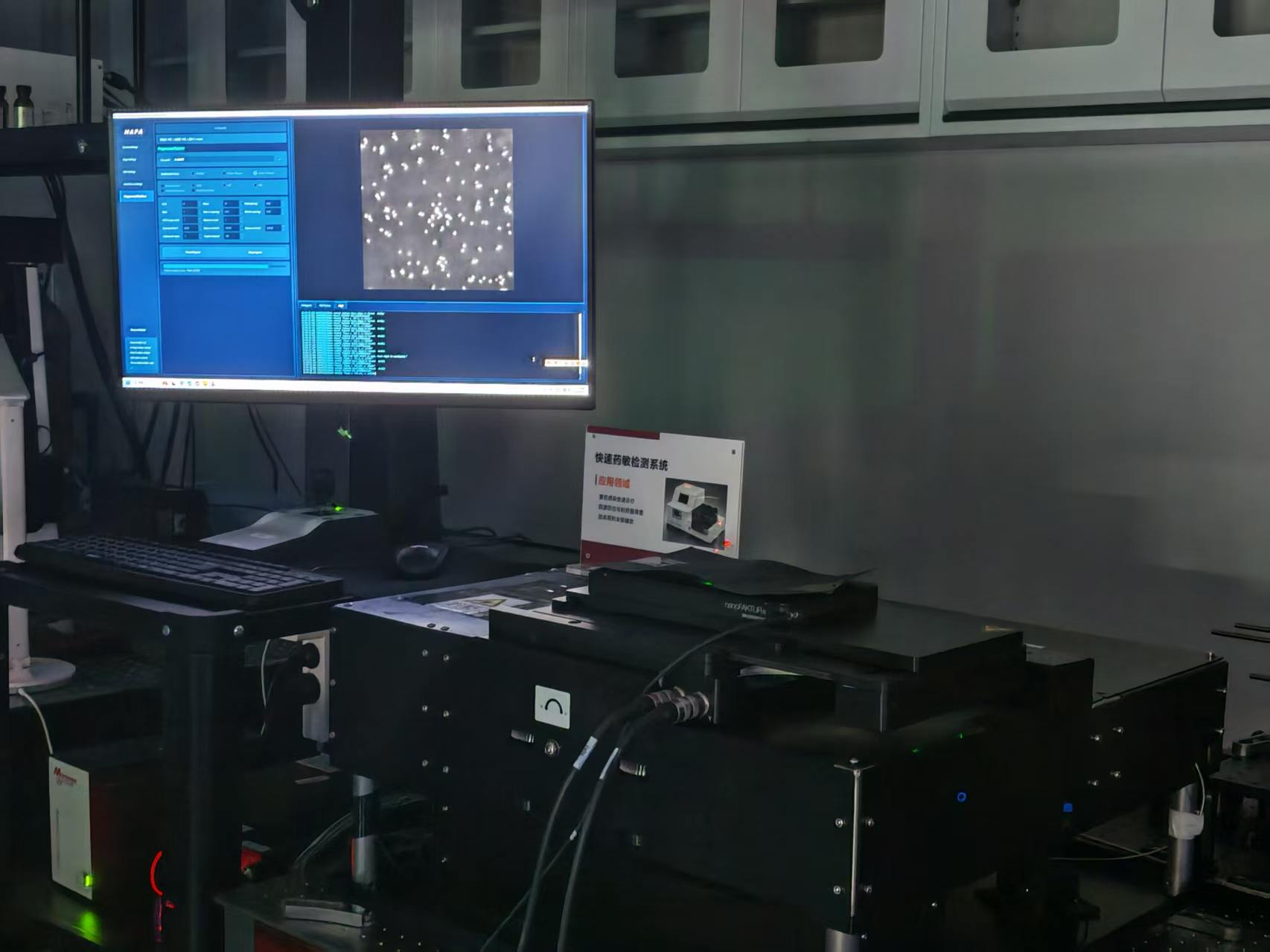
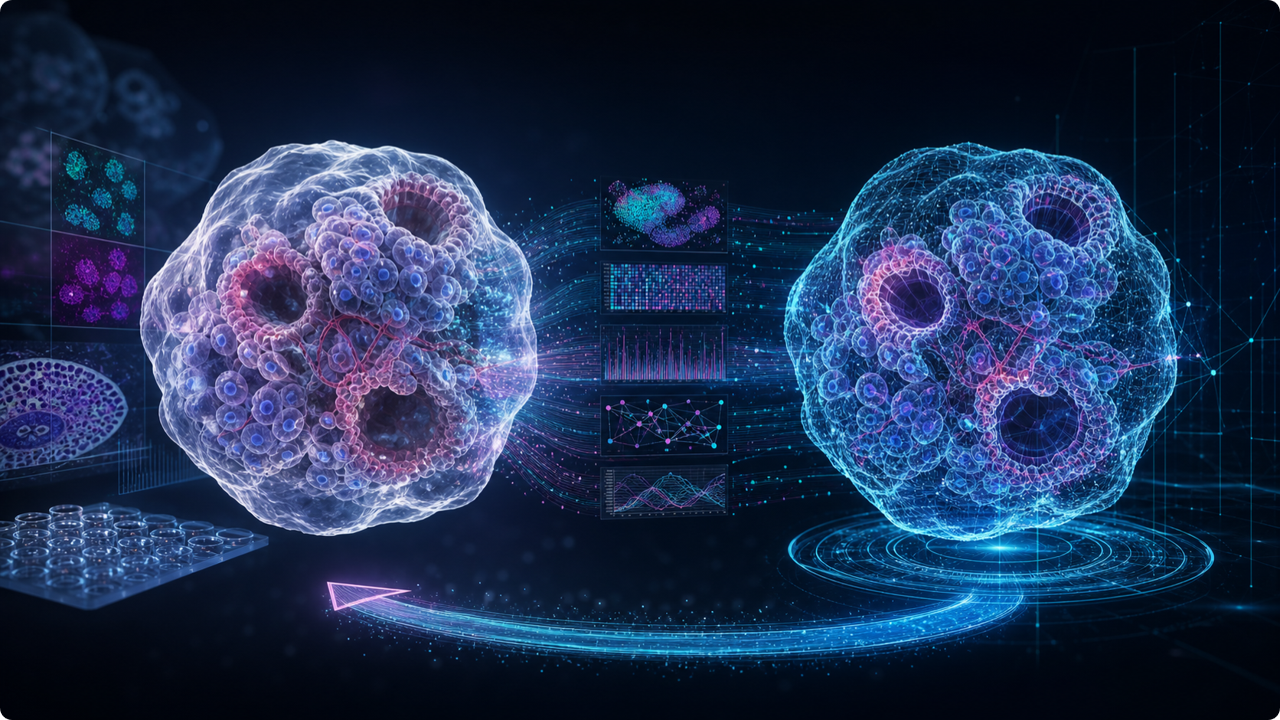
Existing computational models of cells have long lacked high-spatiotemporal-resolution images of subcellular dynamics and high-fidelity physiological systems, making it hard to predict and explain complex drug responses with precision. The team has built an end-to-end research pipeline around imaging data, domain-specific models and a closed dry–wet loop. On the data side, its in-house large-field-of-view, high-throughput super-resolution imaging platform captures dynamic images of multiple organelles in living cells at scale and automatically extracts structured subcellular phenotypes, closing the gap in high-quality spatiotemporal image data. On the model side, in-house deep-learning networks such as LinkNex map the topology of organelle interactions, multi-omics data calibrate a general cell representation, and perturbation-response models are built for infection, cancer and neurological disease. On the validation side, high-fidelity wet-lab experiments on tumor, neural and other solid organoid platforms move the work from single-cell simulation to tissue-scale AI virtual organoids (AIVO), forming a continuously evolving loop of in silico prediction and wet-lab calibration. In this direction, data and algorithms reinforce each other to create a proprietary advantage, providing a falsifiable, high-precision digital foundation for reducing drug-development failure rates, accelerating lead screening and guiding precision medication in the clinic.