Next-Generation Rapid Antimicrobial Susceptibility Testing
Advancing early subcellular phenotyping of single bacteria and super-resolution imaging to build a two-hour rapid susceptibility testing system that guides precise treatment of severe drug-resistant infections
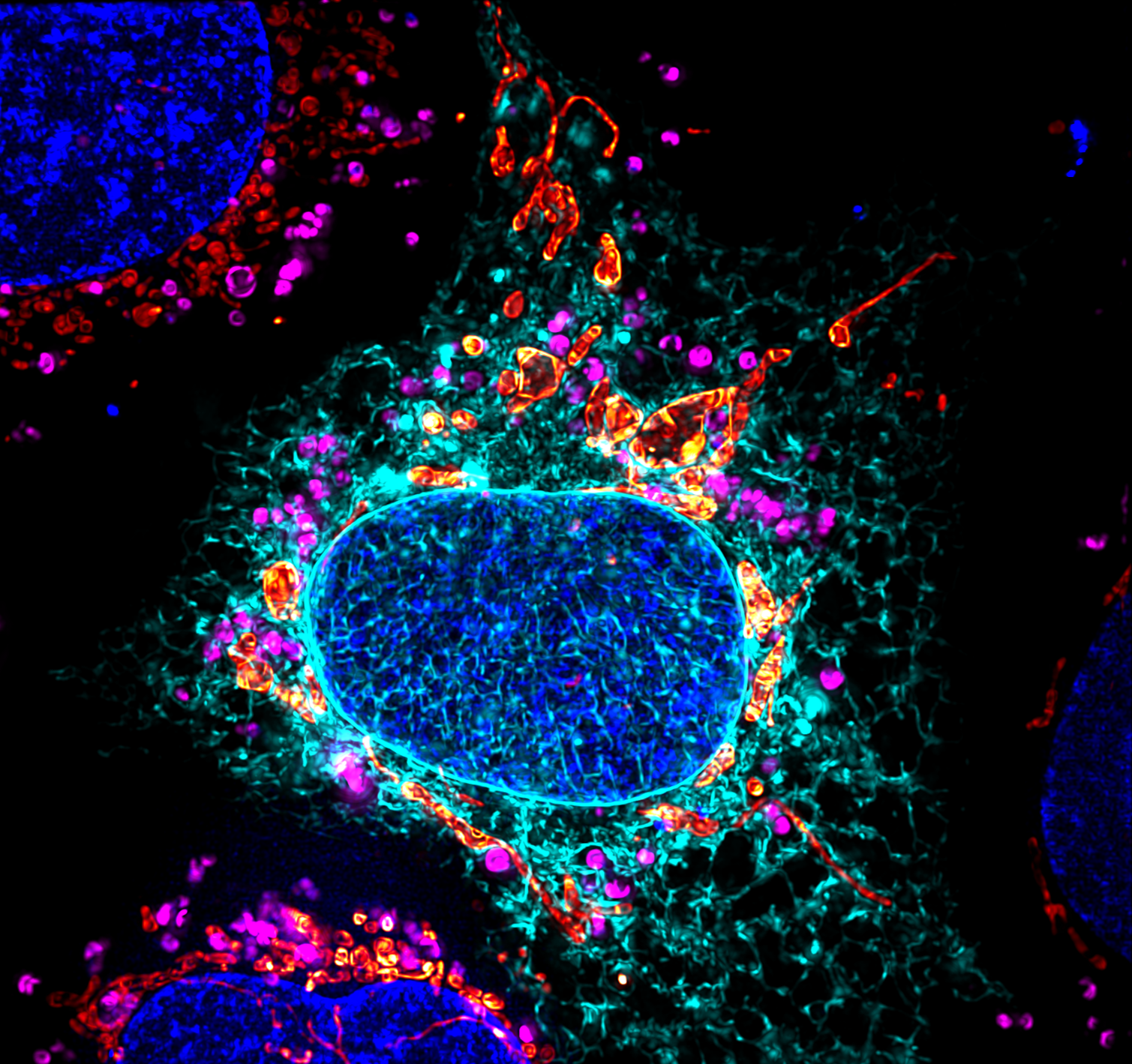
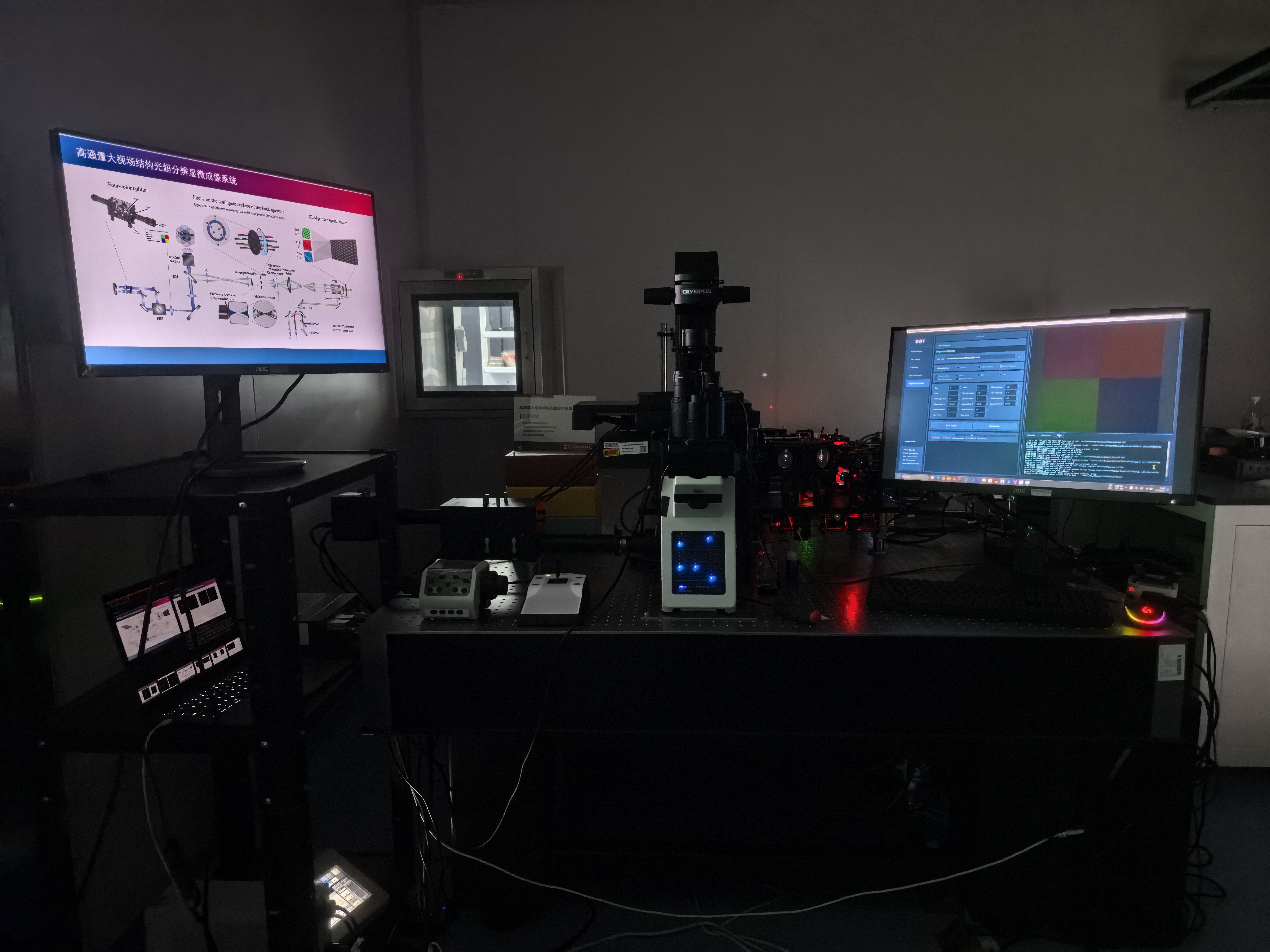
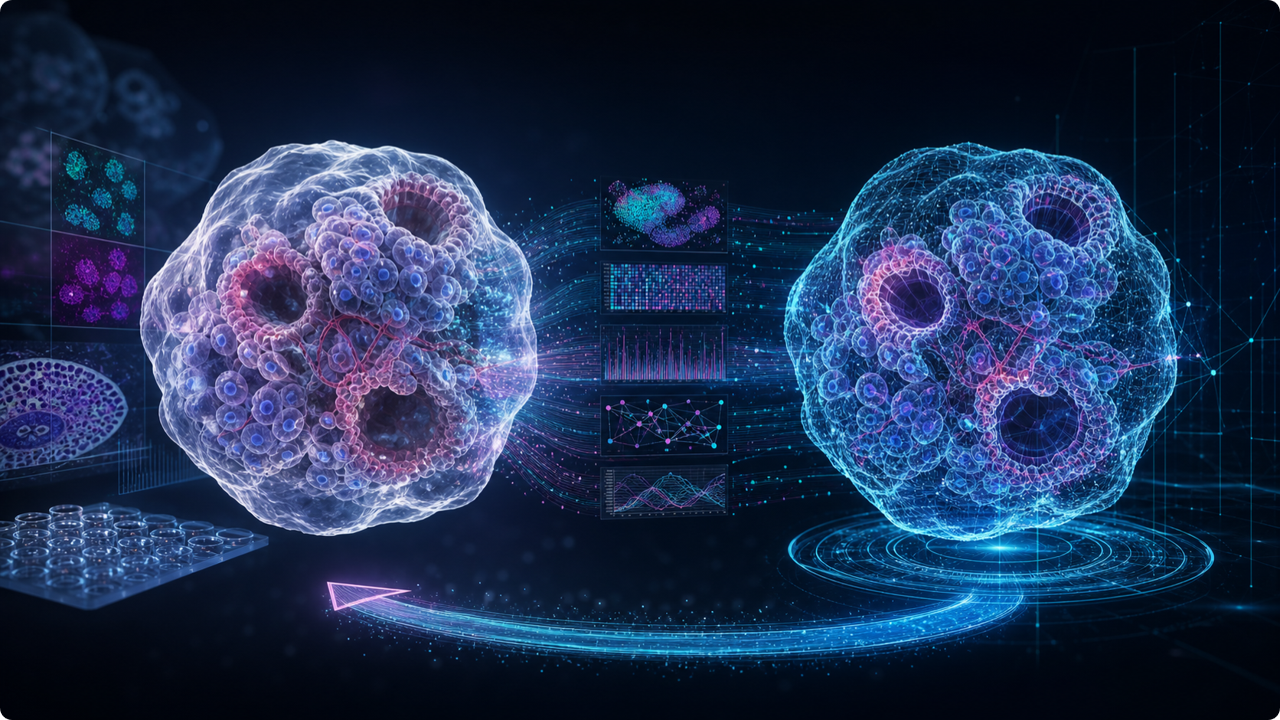
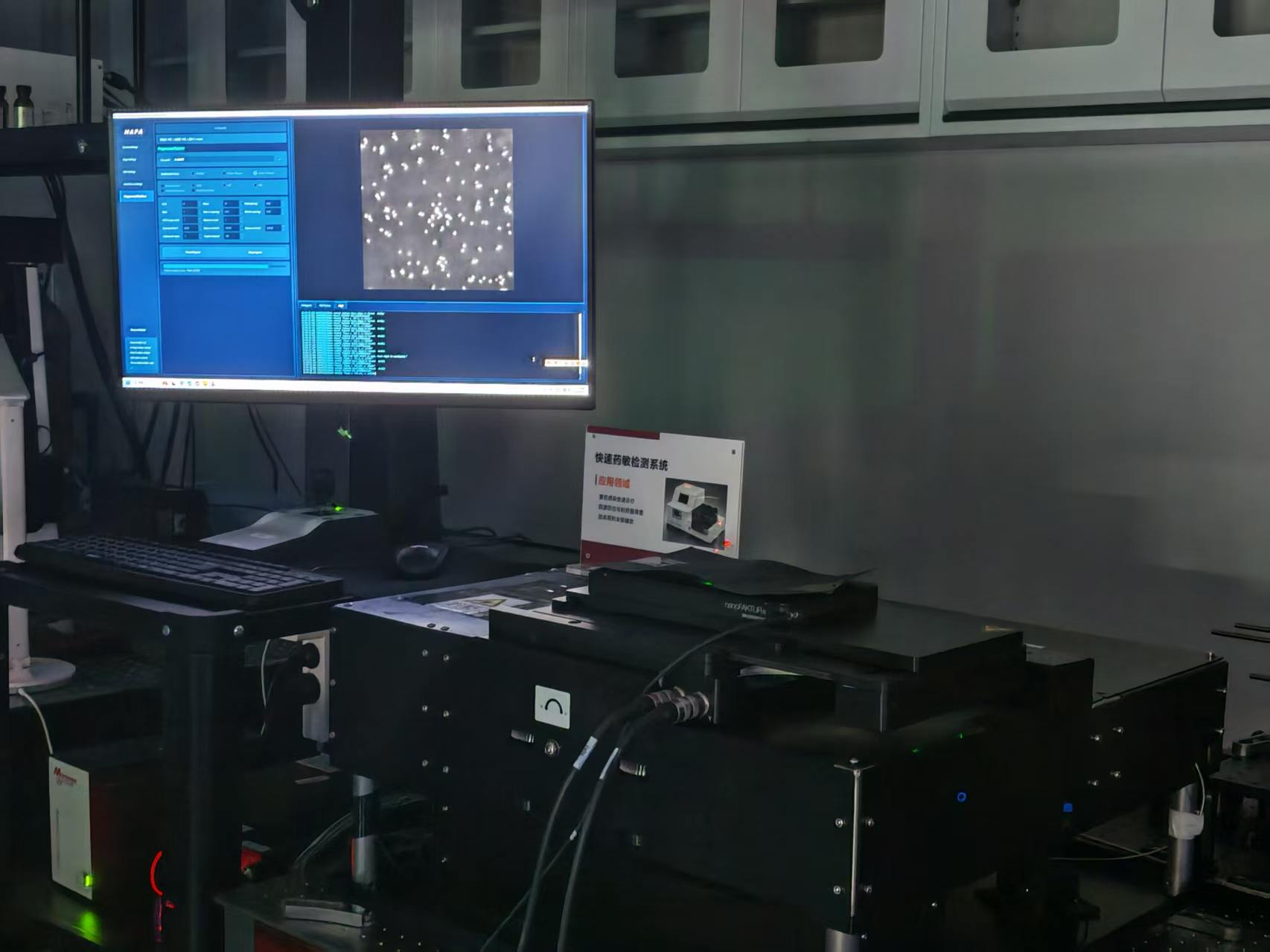
Conventional antimicrobial susceptibility testing relies on population growth and takes 16 to 24 hours, too slow for critically ill patients with drug-resistant infections who need treatment decisions within hours. Detecting the early response of single bacteria is therefore of great clinical importance. The team has worked across the whole chain of phenotype, imaging and algorithm. For phenotyping, it established the hydrophobic probe permeability assay (HAPA), which captures early dynamic profiles of outer-membrane damage and microscopic morphological remodeling before bacteria visibly multiply. For imaging, it developed a large-field-of-view super-resolution (SIM) system that integrates an in-house prism-based field-of-view multiplier with smart focus locking, breaking the space-bandwidth product limit to achieve automated, high-throughput super-resolution acquisition of tens of thousands of single bacteria. For analysis, it fine-tuned Cellpose and introduced DINOv2 features to fuse single-cell morphology with fluorescence-based functional parameters, building a multimodal intelligent interpretation model that automatically reports the MIC and S/I/R susceptibility category within two hours. Key results have been published in Optica and other journals, and clinical validation shows a categorical agreement of over 97%. The work marks a leap from monitoring population growth endpoints to intelligently mining early single-bacterium phenotypes, buying precious time for treating critical infections.